Copper rush
In late February, Félix Tshisekedi, the president of the Democratic Republic of Congo, fired senior executives at the state-owned miner Gécamines. It was for opposing the sale of the copper and cobalt producer Chemaf to an American-backed consortium—and only the latest move in the competition between the United States and China over critical minerals in Africa. As Lisa Sachs has put it here in The Signal, “The mining and production of critical minerals have been increasingly concentrated, and China dominates a lot of that.”
Copper is at the heart of that competition. Over the past few months, Chinese copper smelters have ramped up production to record levels—output has risen 10 percent since February last year, partly in response to copper rallying to record highs this winter. The Chinese-owned mining company MMG said this week that its profits more than tripled last year.
Copper is extremely conductive—essential in tech, electricity production, and military equipment. Everyone needs it. But everyone won’t get their share. Last year, the International Energy Agency (IEA) said that by 2035, production from existing and planned copper mines would meet only some 70 percent of global demand.
Why?
Adam Simon is a professor of earth and environmental sciences at the University of Michigan. Demand for copper is projected to rise sharply, he says—partly because of new technologies: Data centers alone will consume more copper than all of India within a decade. Developing countries, meanwhile, need copper to electrify their economies and raise their standards of living. That’s created a competition where the poorest get priced out.
But paradoxically, while copper is getting too costly for many in poor countries, it’s not expensive enough to make new mines economically viable. Deposits of enormous size remain untouched because there’s no safe return on investment. There’s enough copper for everyone, Simon says, but given the structural challenges the industry faces, that copper might stay underground …
Gustav Jönsson: Just how rare is copper?
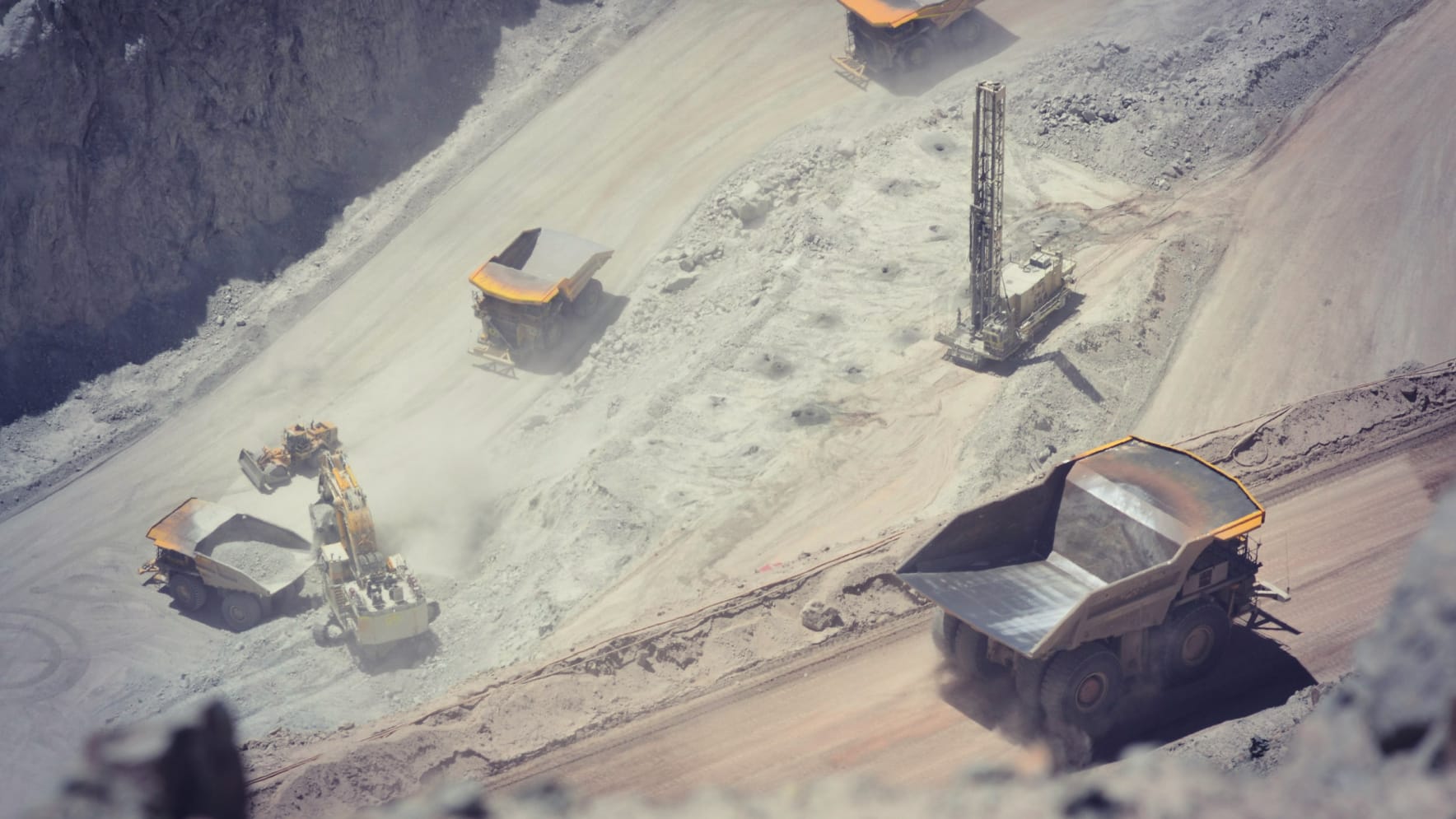
Adam Simon: It’s not that rare at all. The concentration of copper in the nearest backyard to you might be about 25 parts per million. That sounds relatively rare, but it’s fairly common compared with other elements.
Mining companies, though, need the concentration in a given volume of rock to be about 200 times greater than in average backyard rock. So finding it in a high enough concentration—and a large enough tonnage to make mining economic—that’s the challenge.