‘Quiet death’

Recently: How could unexpected events transform a work of art? Bryan Singer on a secret monument in Southern Lebanon, its tangled politics, and his first film in seven years.
Today: A U.S. submarine torpedoed an Iranian warship 2,500 kilometers from the war. … The American president expects to have a hand in choosing Iran’s next supreme leader. … &c.
For members: Why is there so much copper—and yet not enough to go around? Adam Simon on the “huge stakes” of global competition for the metal. ... & What held the post–World War II order together—and what’s coming apart? Daniel Bessner’s and Michael Brenes’s new book, Cold War Liberalism: Power in a Time of Emergency.
+ New music from Bill Frisell ...
Open water
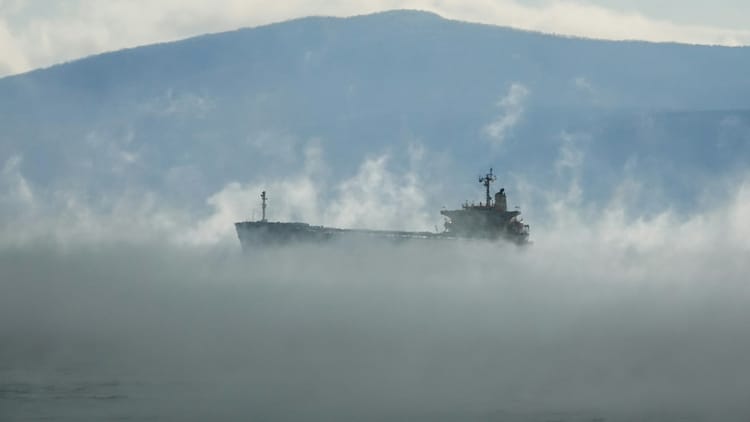
Back on February 16, the Iranian frigate IRIS Dena sailed into the Indian port of Visakhapatnam, welcomed by the Indian Navy with a social media post celebrating “long-standing cultural links between the two nations.” She was there for Exercise Milan—86 ships, 74 countries, a peacetime gathering of navies. The Dena left Indian waters on February 25. Nine days later, somewhere in the Indian Ocean, 40 nautical miles off the coast of Sri Lanka, a single Mark 48 torpedo struck beneath her stern. She sank in international waters, thousands of miles from the Persian Gulf. Eighty-seven sailors are dead; dozens more are missing. U.S. Defense Secretary Pete Hegseth announced the kill from the Pentagon podium. “Yesterday in the Indian Ocean, an American submarine sunk an Iranian warship that thought it was safe in international waters. Instead, it was sunk by a torpedo,” he said. “Quiet death.”
Hegseth also said the U.S. goal is to sink “the entire Iranian navy.” Central Command’s Admiral Brad Cooper has said the same. The Dena was the message: No Iranian warship is safe anywhere, at any range. Iran’s Foreign Minister Abbas Araghchi called the sinking “an atrocity at sea” and warned that the U.S. would “bitterly regret the precedent.” What that precedent is—and what Iran intends by invoking it—neither Araghchi nor anyone else has yet clarified. The IRIS Dena was 2,500 kilometers from the nearest strike zone when the torpedo hit.

Meanwhile
- Fifty-three, forty-seven. U.S. Senate Republicans voted on Wednesday to defeat a war-powers resolution that would have required the White House to seek congressional approval for further military action against Iran. The measure failed 47-53, largely along party lines—Senator Rand Paul was the lone Republican in favor; Senator John Fetterman of Pennsylvania, the lone Democrat opposed. Several Republican senators said they’d reassess if the administration were to deploy ground troops—which it has not ruled out.
- The unacceptable son. U.S. President Donald Trump said on Thursday that Mojtaba Khamenei—the son of the supreme leader killed on the war’s first day—is “unacceptable” as Iran’s next leader, and that Washington must be involved in the selection. Trump said he wants “someone that will bring harmony and peace to Iran.” The administration continues to insist that regime change in Tehran is not a goal of this war.
- Finalissima, inshallah. Iranian drones strike Azerbaijan’s Nakhchivan airport and a nearby school; President Ilham Aliyev calls it “an act of terror.” … Lebanon orders the arrest and deportation of any Iranian Revolutionary Guard Corps members on its soil. … Twenty thousand seafarers and 15,000 cruise passengers are stranded in the Persian Gulf. … India’s opposition demands Prime Minister Narendra Modi explain his silence on the sinking of the Dena—a guest of his navy. … UEFA, European football’s governing body, still plans to stage its Argentina-vs.-Spain football match in Doha on March 27—the Finalissima, a showcase match between the champions of Europe and South America—as Iranian missiles continue to strike Qatar.

Can’t hear yourself think?
The David Lynch Foundation helps bring calm to veterans, students, and communities in need.
Feature
Copper rush
Why is there so much of it—and yet not enough to go around? Adam Simon on the “huge stakes” of global competition for the metal.
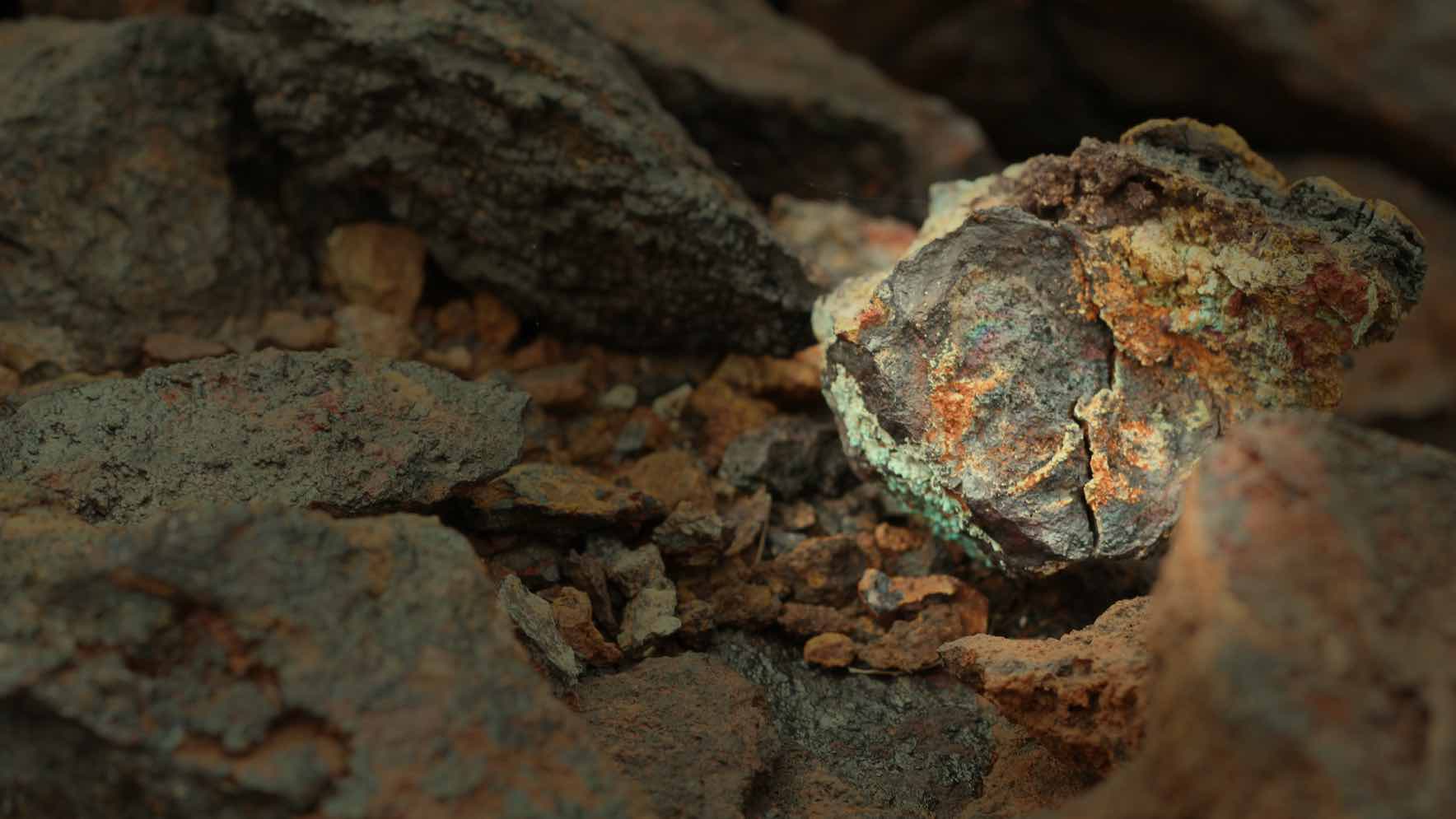
In late February, Félix Tshisekedi, the president of the Democratic Republic of Congo, fired senior executives at the state-owned miner Gécamines. It was for opposing the sale of the copper and cobalt producer Chemaf to an American-backed consortium—and only the latest move in the competition between the United States and China over critical minerals in Africa. As Lisa Sachs has put it here in The Signal, “The mining and production of critical minerals have been increasingly concentrated, and China dominates a lot of that.”
Copper is at the heart of that competition. Over the past few months, Chinese copper smelters have ramped up production to record levels—output has risen 10 percent since February last year, partly in response to copper rallying to record highs this winter. The Chinese-owned mining company MMG said this week that its profits more than tripled last year.
Copper is extremely conductive—essential in tech, electricity production, and military equipment. Everyone needs it. But everyone won’t get their share. Last year, the International Energy Agency (IEA) said that by 2035, production from existing and planned copper mines would meet only some 70 percent of global demand.
Why?
Adam Simon is a professor of earth and environmental sciences at the University of Michigan. Demand for copper is projected to rise sharply, he says—partly because of new technologies: Data centers alone will consume more copper than all of India within a decade. Developing countries, meanwhile, need copper to electrify their economies and raise their standards of living. That’s created a competition where the poorest get priced out.
But paradoxically, while copper is getting too costly for many in poor countries, it’s not expensive enough to make new mines economically viable. Deposits of enormous size remain untouched because there’s no safe return on investment. There’s enough copper for everyone, Simon says, but given the structural challenges the industry faces, that copper might stay underground …
Books
The rupture
What held the post–World War II order together—and what’s coming apart? Daniel Bessner’s and Michael Brenes’s Cold War Liberalism: Power in a Time of Emergency.
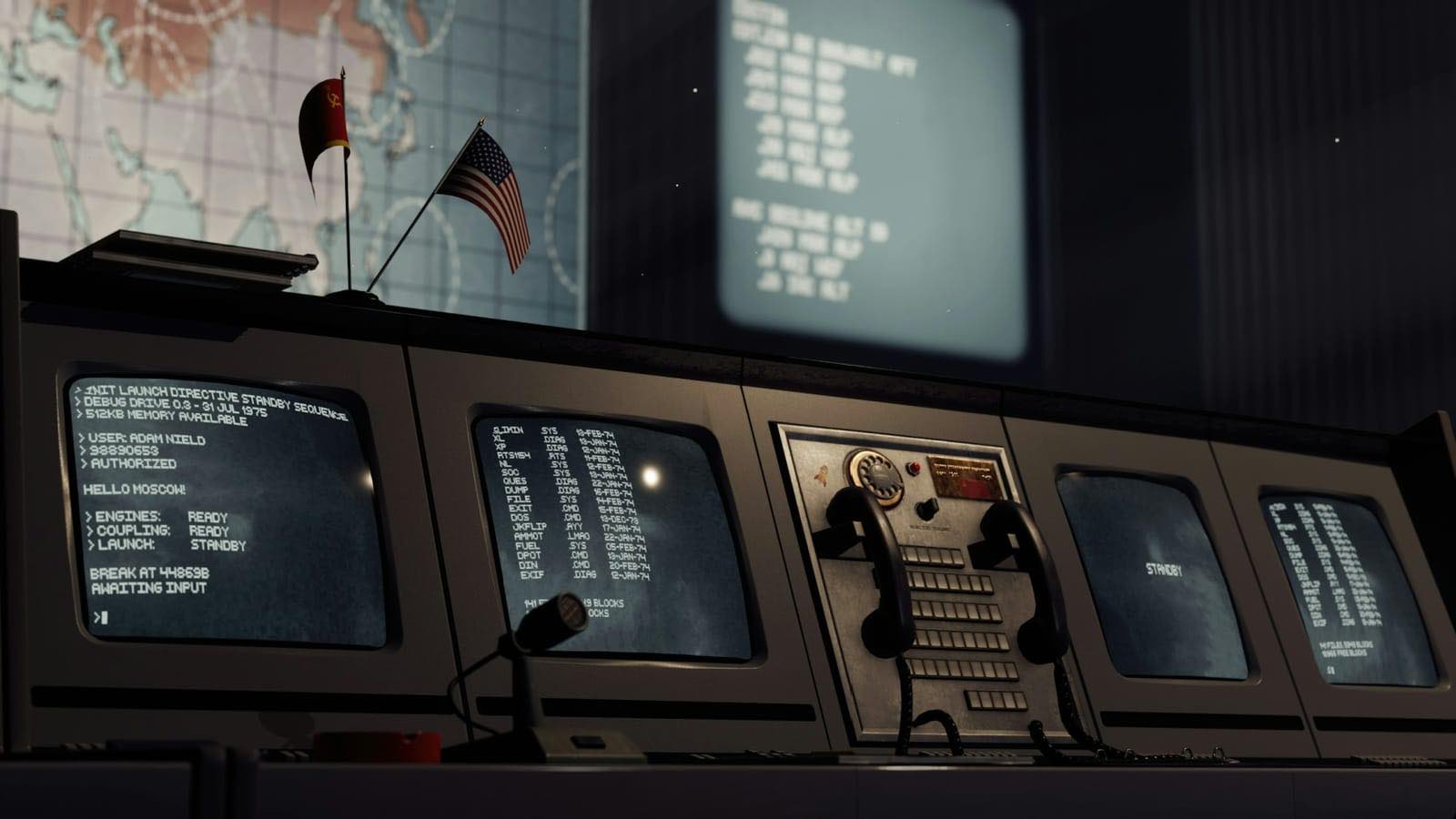
At this year’s World Economic Forum in Davos, Canada’s Prime Minister Mark Carney said, “It seems that every day we’re reminded that we live in an era of great power rivalry, that the rules-based order is fading, that the strong can do what they can, and the weak must suffer what they must.” France’s President Emmanuel Macron put it more bluntly, calling it “crazy” that the European Union had to threaten the United States with retaliatory trade measures. Carney summarized the situation with a phrase that’s since become unavoidable: “We are in the midst of a rupture, not a transition.”
Your loyal guide to a changing world.
Membership with The Signal means exclusive access to premium benefits:
* In-depth feature interviews with our network of contributors
* The despatch, our weekly current-affairs and cultural-intelligence briefing
* Early access to new products, including print extras
It also means vital support for a new, independent venture in current affairs.
New music
‘In My Dreams’
Here, the renowned jazz guitarist and composer Bill Frisell leads a sextet alongside Jenny Scheinman (violin), Eyvind Kang (viola), Hank Roberts (cello), Thomas Morgan (bass), and Rudy Royston (drums). It's from Frisell’s eponymous new album. Close your eyes, and it’s summer.