An Orwellian war
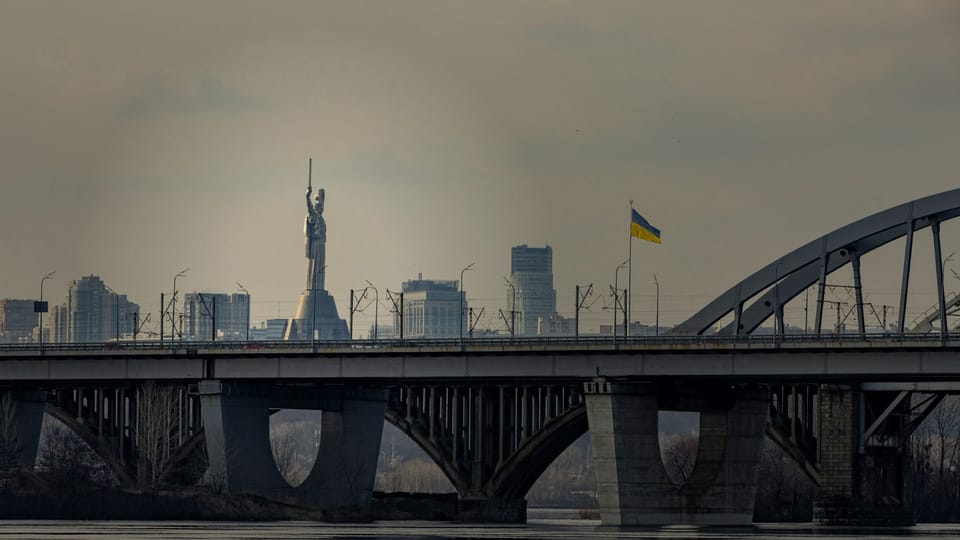
Last year, the American president called his Ukrainian counterpart “a dictator without elections.” Neither is Donald Trump the only figure on the American right to make this claim: The political commentator Tucker Carlson has also called Volodymyr Zelenskyy a “dictator,” while the technology mogul Elon Musk has accused Zelenskyy of “having seized control of ALL (sic) Ukrainian media.”
Under Ukrainian law, there should have been an election in 2024, but the country has been under martial law since the Russian invasion in 2022, and the government has indefinitely postponed elections. It has also outlawed several political parties for purportedly being “pro-Russian” and imposed wartime censorship on the Ukrainian press.
Is the Russia-Ukraine war hollowing out Ukrainian democracy?
Serhii Plokhy is a professor of history at Harvard University and the author of The Nuclear Age: The Epic Race for Arms, Power, and Survival , and David and Goliath: Commentaries on the Russo-Ukrainian War. Even though Ukrainian democracy is young and therefore vulnerable, Plokhy says, it has so far proved resilient. But the war is putting it under pressure. Ukraine’s press isn’t as free now as it was in peacetime. But censorship, Plokhy says, is normal—though not pleasant—in wartime: The United Kingdom silenced its press when it fought World War II. Democracies can weather temporary limits on freedoms, he says, provided those limits in fact remain temporary.
Maybe the more worrying trend, Plokhy says, is that the war is threatening Ukraine’s tradition of pluralism. By launching a full-scale invasion, Russian President Vladimir Putin unified Ukrainian society like never before. But it’s precisely Ukraine’s fractured political and cultural landscape that has forced Ukrainian leaders to compromise. Kyiv has never had the kind of power over Ukraine that Moscow has over Russia. Division, in other words, has been Ukraine’s guardrail against any one leader or faction becoming too powerful. Now that’s changing …
Gustav Jönsson: You now have people—mainly on the American right—who claim that Ukraine isn’t a democracy. Trump referred to Volodymyr Zelenskyy as a dictator. What do you think when you hear that?
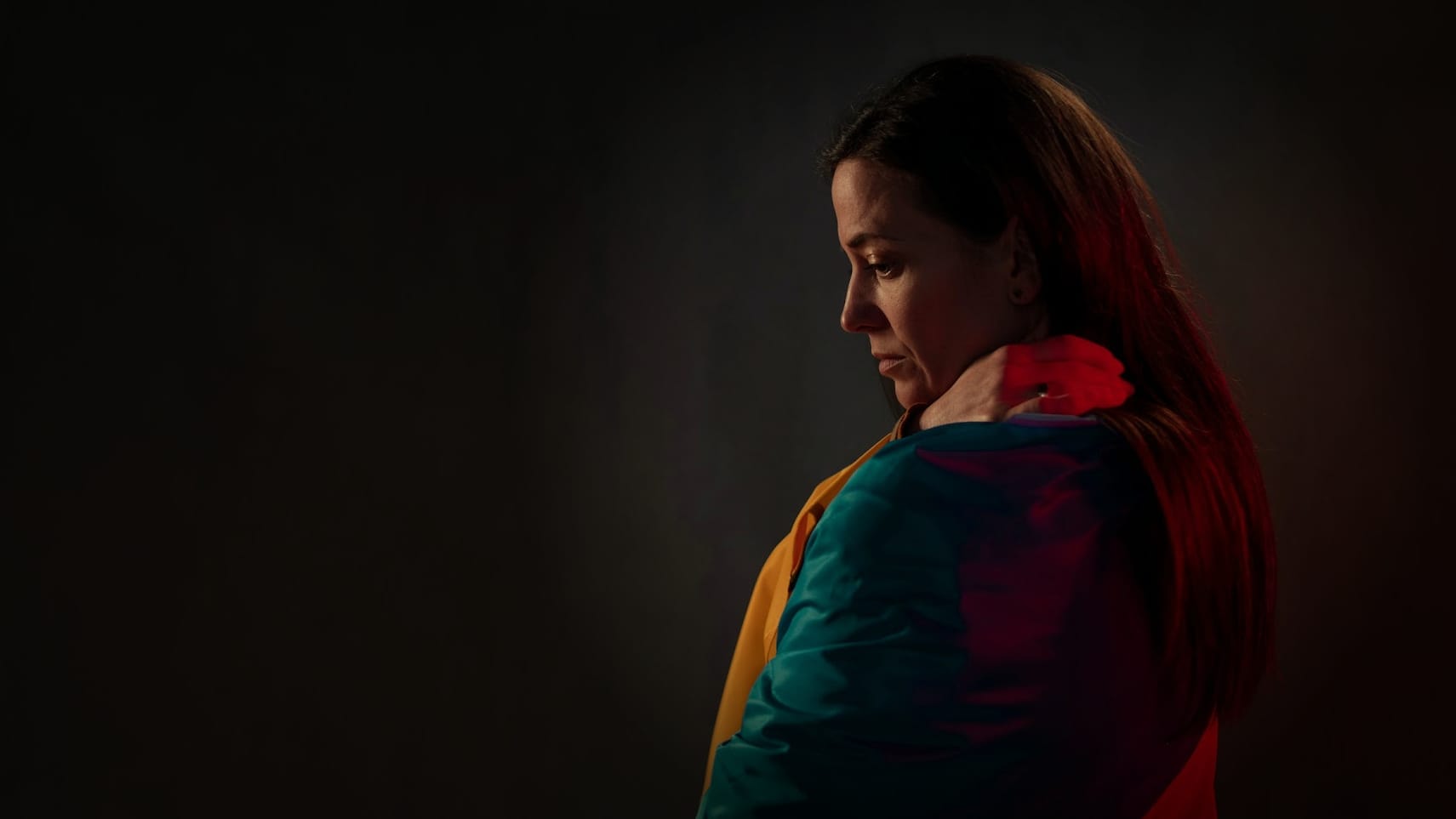
Serhii Plokhy: Dictator is a dirty word in today’s world. The general consensus is that democracy is good and dictatorship is bad. So people in countries that aren’t democratic, like Russia—or in countries with clearly pronounced authoritarian tendencies, like the United States—use the vocabulary of democracy to undermine democracy itself. Because the one thing you can’t say about the war between Russia and Ukraine is that of the two leaders, Putin and Zelenskyy, Zelenskyy is the dictator. That defies everything we know—not least common logic.
What that kind of rhetoric tells me is that we’ve entered an Orwellian world where war is peace.