Truce conditions
Recently: Summer’s arriving early across northern India—and the atmosphere seems to be noticing.
Today: A hundred strikes in 10 minutes, the morning after a truce. … Forty years of Russian memory, criminalized overnight. ... &c.
For members: Why is Pakistan in “open war” with the Taliban? Anatol Lieven on how Afghanistan became a battleground again. ... & Why would there be so much risk in private-equity markets? Hettie O’Brien’s new book, The Asset Class.
+ New music from Art School Girlfriend ...
Eternal darkness
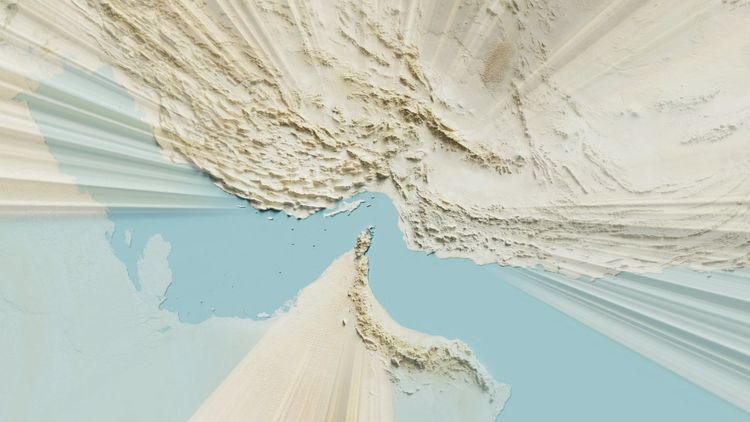
On Wednesday morning, Pakistan’s Prime Minister Shehbaz Sharif announced that Iran and the United States had agreed to an immediate ceasefire “everywhere, including Lebanon.” Displaced families across southern Lebanon packed their cars and drove toward home. By 6 a.m., Israel’s Prime Minister Benjamin Netanyahu denied that Lebanon fell within the deal. By midmorning, Israel launched what it called Operation Eternal Darkness—50 fighter jets, more than 100 strikes in 10 minutes, hitting central Beirut, the Bekaa Valley, and the south without warning. Lebanon’s health ministry counted more than 250 dead, the war’s bloodiest single day. Iran reimposed its blockade of the Strait of Hormuz.
What kind of ceasefire is this? The mediator and the signatories now publicly disagree on scope. Israeli Defense Minister Israel Katz said Israel insisted on separating Lebanon from the Iran deal; and U.S. President Donald Trump reportedly reconsidered including Lebanon after a call with Netanyahu. The sequence tracks Tuesday’s dynamic: Netanyahu and the Gulf leaderships pushed for maximal terms; Vice President J.D. Vance and the American envoy Steve Witkoff pushed Trump to accept. But Tuesday’s argument concerned whether to take the deal. Wednesday’s concerned what the deal covered. Iran’s foreign minister, Abbas Araghchi, said Washington can’t expect to have a ceasefire with Tehran while its ally keeps bombing Lebanon—where Israel and Hezbollah have been at war since before the first American strikes on Iran. Talks open in Islamabad on Saturday—with the framework itself still contested.

Meanwhile
- ‘Tested, and failed.’ Trump met NATO Secretary-General Mark Rutte at the White House on Wednesday—and, according to European Union officials, delivered what one participant called a “tirade of insults” over the alliance’s refusal to join the Iran war. Trump branded NATO a “paper tiger,” demanded help reopening the Strait of Hormuz, and revived his claim to Greenland. Reportedly, the administration is weighing troop withdrawals from uncooperative allies. Rutte called the talks “very frank” but noted that NATO is a defensive alliance—and most European countries had assisted with basing and logistics.
- The last word on memory. Russia’s Supreme Court on Thursday designated Memorial, the Nobel Prize-winning human rights organization, as “extremist”—criminalizing its operations and exposing supporters to prosecution. The same day, police raided the offices of the independent newspaper Novaya Gazeta. Memorial, founded in the late 1980s to document Soviet political repression, called the ruling an attempt to silence all dissent. The Norwegian Nobel Committee called it an affront to human dignity. Memorial said it would outlive the Putin regime.
- The long way home. North Korea tested cluster-warhead ballistic missiles and electromagnetic weapons across a three-day spree ending on Wednesday. … China’s Foreign Minister Wang Yi arrived in the North Korean capital on Thursday—Beijing’s most senior diplomatic visit since 2019—ahead of a summit between Trump and Chinese President Xi Jinping next month. … Democrats in the U.S. Congress tried to force a war-powers vote on the Iran conflict on Wednesday; Republicans blocked it. … Beijing hosted Afghanistan-Pakistan talks on Wednesday; both sides pledged not to escalate (see “Borrowed trouble”). … & The Artemis II crew splashes down on Friday evening off San Diego—the first crewed lunar return since Apollo 17 in 1972.

Your reading list for a changing world
Browse The Signal’s bookshop—organized into collections that track key themes in our investigations of current affairs: what’s driving the information wars, why societies are fracturing, how power keeps reinventing itself. Contributors’ titles alongside books we've featured in our coverage.
Feature
Borrowed trouble
Why is Pakistan in “open war” with the Taliban? Anatol Lieven on how Afghanistan became a battleground again.
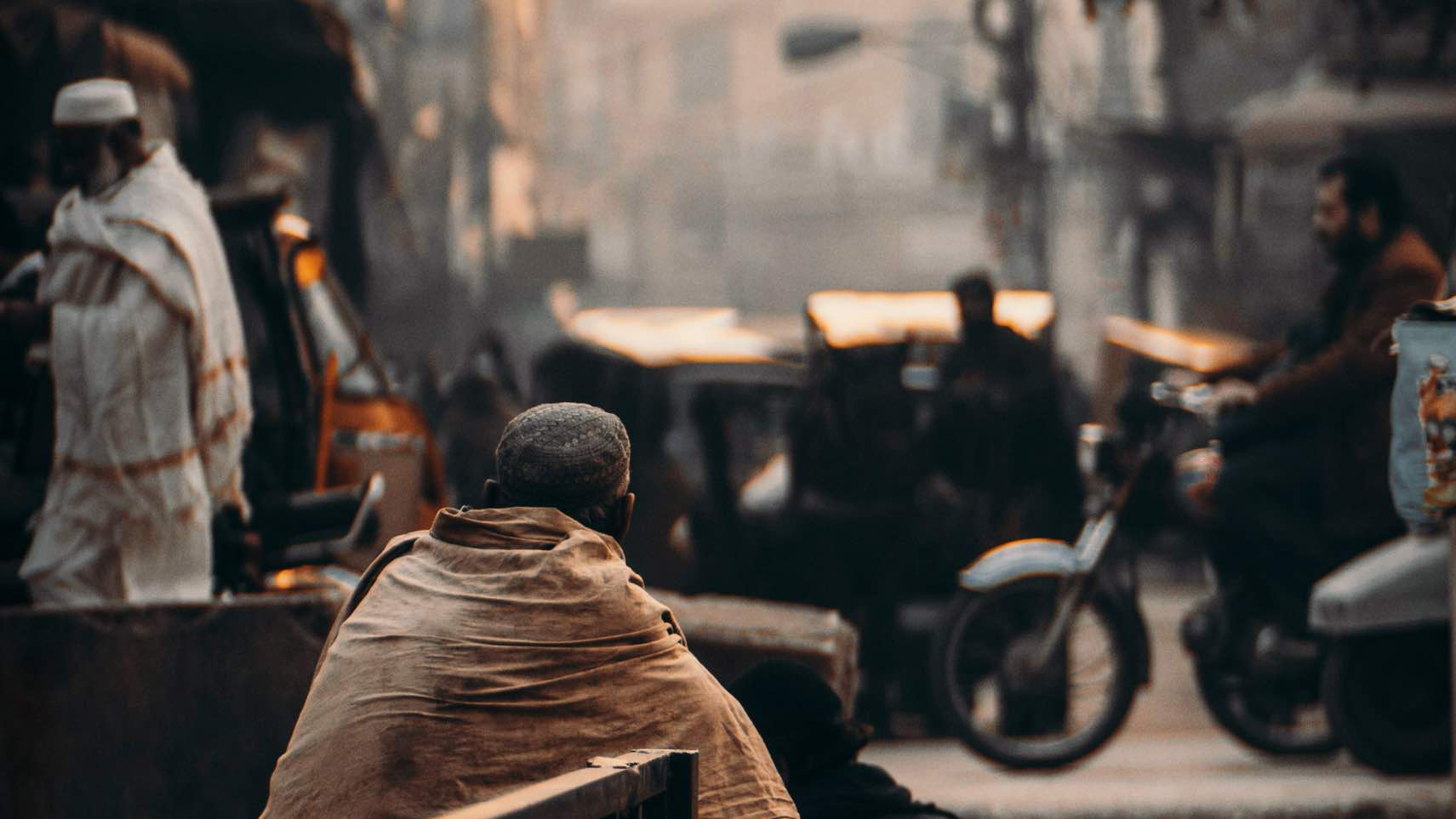
Last October, Pakistan struck a target in Afghanistan that its officials called a “base of operations for terrorism in Pakistan” belonging to Tehrik-e-Taliban Pakistan—the Pakistani Taliban—which it says Afghanistan’s Taliban government harbors. Before Qatar and Turkey brokered a temporary ceasefire, Pakistan claimed it had killed some 200 Taliban fighters; the Taliban said they had killed dozens of Pakistani security forces.
Toward the end of the year, Saudi-mediated negotiations floundered. On February 16, a suicide bomber killed 11 Pakistani security personnel and one child, Pakistani officials said. On February 22, Pakistan hit Afghanistan with retaliatory strikes. And on March 16, Pakistan struck a drug rehabilitation center in Kabul; the Taliban government says the strike killed more than 400 people. The United Nations’ mission in Afghanistan has confirmed 269 civilian deaths so far and says the toll is likely higher. The UN estimates that more than 115,000 people have fled their homes since late February.
Pakistan’s minister of defence, Khawaja Asif, says Pakistan is in “open war” with Afghanistan. China is now trying to broker a ceasefire, but the mood in Islamabad is not propitious. Speaking to the Financial Times, Asif Durrani, Pakistan’s erstwhile special representative on Afghanistan, said there’s “no more room for diplomatic leverage with the Taliban, only hard talk and kinetic actions.”
What’s going on?
Anatol Lieven is the director of the Eurasia Program at the Quincy Institute for Responsible Statecraft. Having backed the Taliban, Pakistan is now in outright conflict with them in the unruly border regions where Pashtun tribes live—and from whose ranks many Islamist fighters come. Pakistan is trying to force Afghanistan’s Taliban government to keep the Pakistani Taliban in check. Afghanistan’s Taliban government, however, worries that cracking down on the Pakistani Taliban could trigger a civil war.
Pakistan, Lieven says, is in a fix. It has no good options. Pakistan can hit Taliban bases in Afghanistan, but the Taliban have survived much worse—so Pakistan’s military options might be spectacularly violent without being effective. And while Pakistan can try to pressure Afghanistan’s Taliban government by choking off its trade routes, squeezing Afghanistan’s economy too hard risks plunging the country into an even worse crisis. That, Lieven says, would leave the path open for groups like the Islamic State to export yet more violence …
Books
Unknown unknowns
Why would there be so much risk in private-equity markets? Hettie O’Brien’s The Asset Class.
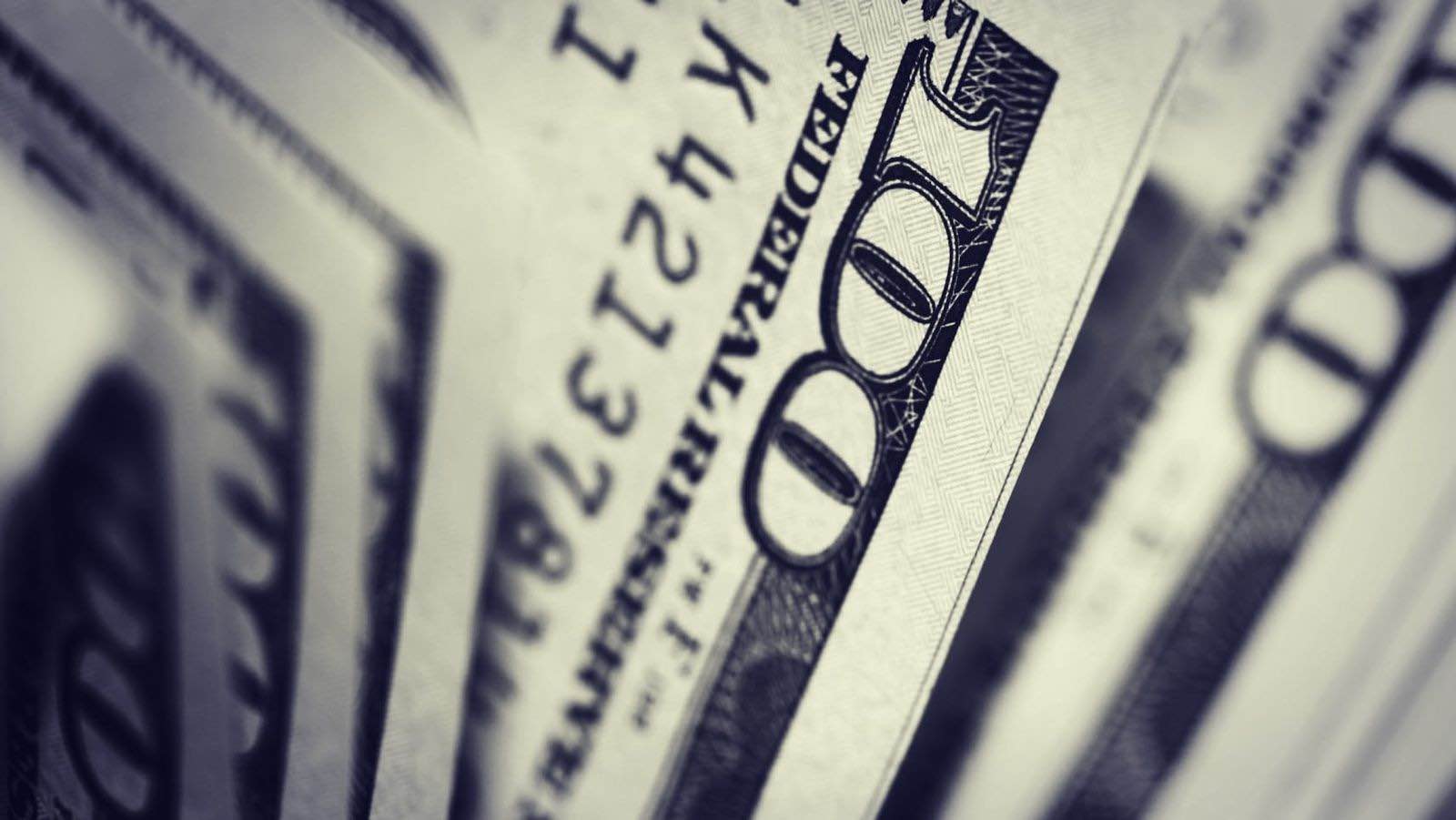
At a Hong Kong conference last November, the chair of the Swiss lender UBS, Colm Kelleher, warned of “looming systemic risk” facing the global financial system. Kelleher said insufficient regulation let the insurance industry, fueled by private capital, engage in ratings shopping—seeking better ratings from smaller credit agencies than more established ones would provide.
Private equity and credit insiders—notably Michael Arougheti, the chief executive of Ares Management, and Marc Rowan, the chief executive of Apollo Global Management—have pushed back on such concerns.
In last month’s survey by the Bank of America, however, 63 percent of surveyed global fund managers said private equity and credit were the most likely source of systemic credit risk. Last fall, the Governor of the Bank of England, Andrew Bailey, said “alarm bells” should be ringing. The Bank of England is now stress-testing private markets.
Your loyal guide to a changing world.
Membership with The Signal means exclusive access to premium benefits:
* In-depth feature interviews with our network of contributors
* The despatch, our weekly current-affairs and cultural-intelligence briefing
* Early access to new products, including print extras
It also means vital support for a new, independent venture in current affairs.
New music
‘Doing Laps’
Polly Louise Mackey, also known by her stage name Art School Girlfriend, is a Welsh producer and singer-songwriter. You may hear some goth chill in her vocals—fitting, considering her label, Fiction Records, brought the world The Cure.