The state’s return

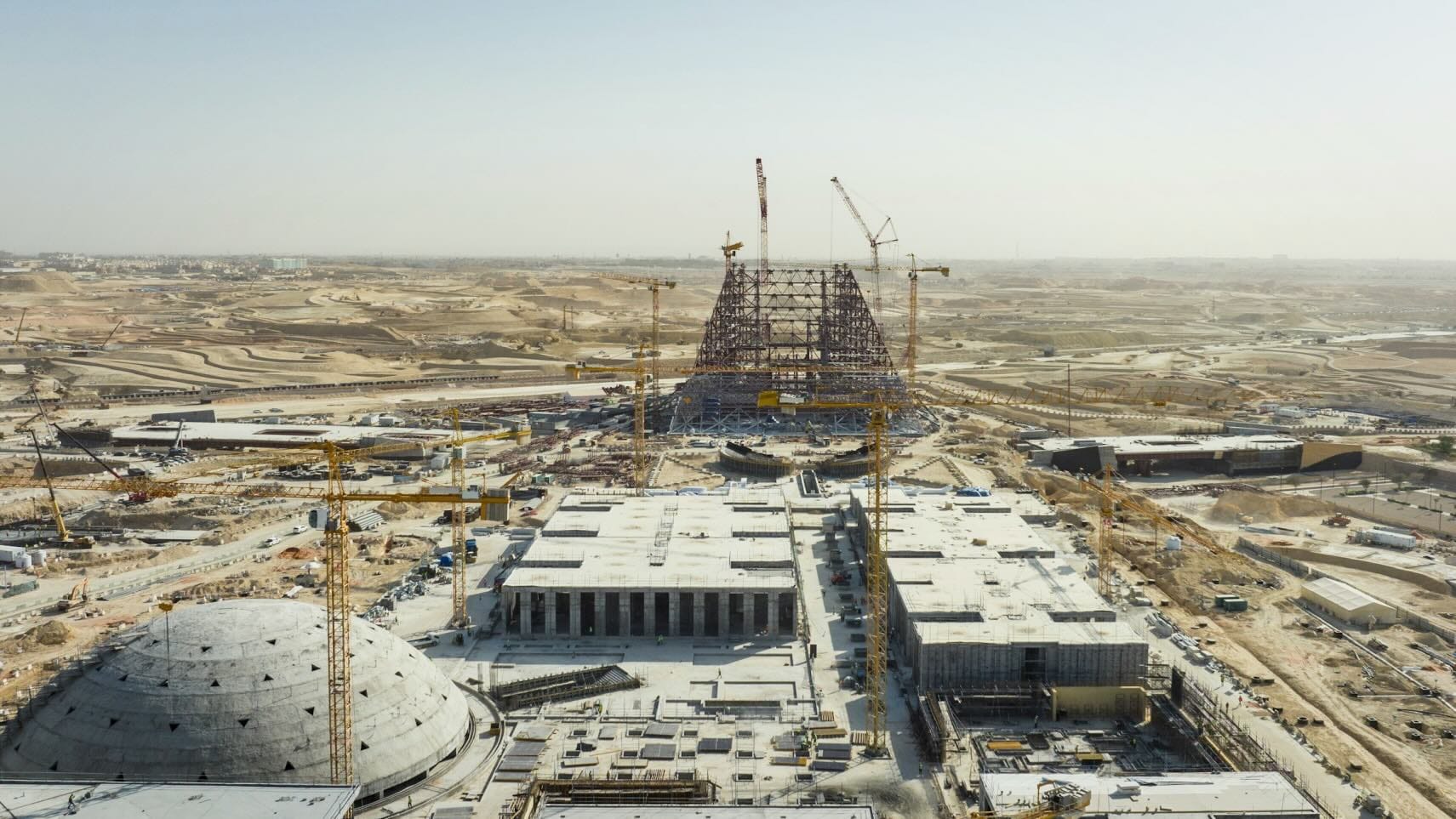
In 2021, the Saudi Public Investment Fund—a state portfolio worth roughly US$1 trillion—bought a controlling stake in the storied English football club Newcastle United. The PIF is also behind Saudi Arabia’s five “Giga Projects”—the vast state-led development schemes the kingdom intends to remake its economy around by 2030: Neom, Roshn, Red Sea Global, Qiddiya, and Diriyah.
Even countries without immense oil wealth are now building sovereign-wealth funds of their own. There are more than a hundred. Morocco has launched two. Per a recent Financial Times tally, Turkey has $360 billion in assets under management, Vietnam $16 billion, and the United Arab Emirates is sitting on a cool $2.68 trillion.
America is following suit. Last year, U.S. President Donald Trump signed an executive order directing the federal government to establish a sovereign-wealth fund of its own.
Around the world, governments have become direct investors in the economy. Why?
Adam Dixon is the director of Panmure House at Heriot-Watt University in Edinburgh and the coauthor of The Spectre of State Capitalism. Dixon says states have moved into the economy through a widening range of financial and corporate instruments—sovereign-wealth funds, strategic investment funds, national development banks, and more—largely in response to a sequence of shocks: the Global Financial Crisis, the Covid-19 pandemic, and the rising wave of Chinese exports putting national industries under pressure.
And they’re not just investing more—they’re investing differently. Today’s state-owned enterprises have significant private backing and boardrooms staffed by people from the private sector. Strategic-investment funds operate much like venture-capital funds: boosting national industry, yes, but chasing returns too. Alongside all this comes the state’s more aggressive use of economic coercion—sanctions, tariffs, export controls.
But there’s a risk, Dixon says: When every state rushes to support its own industries, the cumulative effect could leave everyone poorer …
Gustav Jönsson: How much of an investor was the state before all this?
Adam Dixon: Sovereign-wealth funds aren’t new. States have long run various kinds of investment funds—the Texas Permanent School Fund goes back to the middle of the 19th century. But the modern sovereign-wealth fund began in the 1950s with the Kuwait Investment Board. Their genesis as deep pools of state capital starts with oil-rich countries. Abu Dhabi followed Kuwait in the 1970s. Then Singapore, with its GIC and Temasek. And in the 1990s, Norway started producing more oil and set up the Norges Bank Investment Management.