The language of beauty
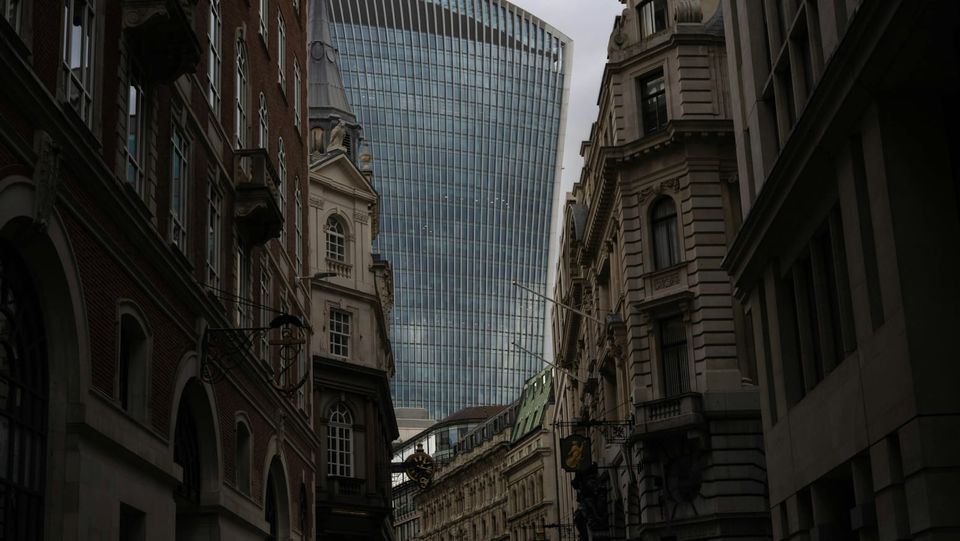
In August 2025, U.S. President Donald Trump signed an executive order, “Making Federal Architecture Beautiful Again,” making traditional and classical styles the federal government’s default for new buildings. It also directs the Administrator of General Services—the official who oversees federal buildings—to refer any planned building in the brutalist or deconstructivist styles to the White House before the government sinks real money into it. Those are the two styles the order is out to stop: Brutalism is the heavy, raw-concrete look of the mid-20th century; deconstructivism, the fragmented, deliberately off-kilter forms that came after.
At the same time, the president is remodeling at his own current address: Over the winter, Trump had the entire East Wing torn down, without review by the National Capital Planning Commission, to make room for a new White House ballroom—a project whose projected cost has since climbed to a reported US$600 million, roughly half of it public money.
Whatever you might make of those moves, Trump is tapping a broad and deeply held feeling in American life: that new buildings just aren’t as beautiful as old ones. Tourists in Cambridge, England, stop to photograph the old colleges; no one poses in front of the corporate blocks by the railway station—the ones you could drop into San Francisco or Stockholm and no one would notice.
Are new buildings really less beautiful than old ones?
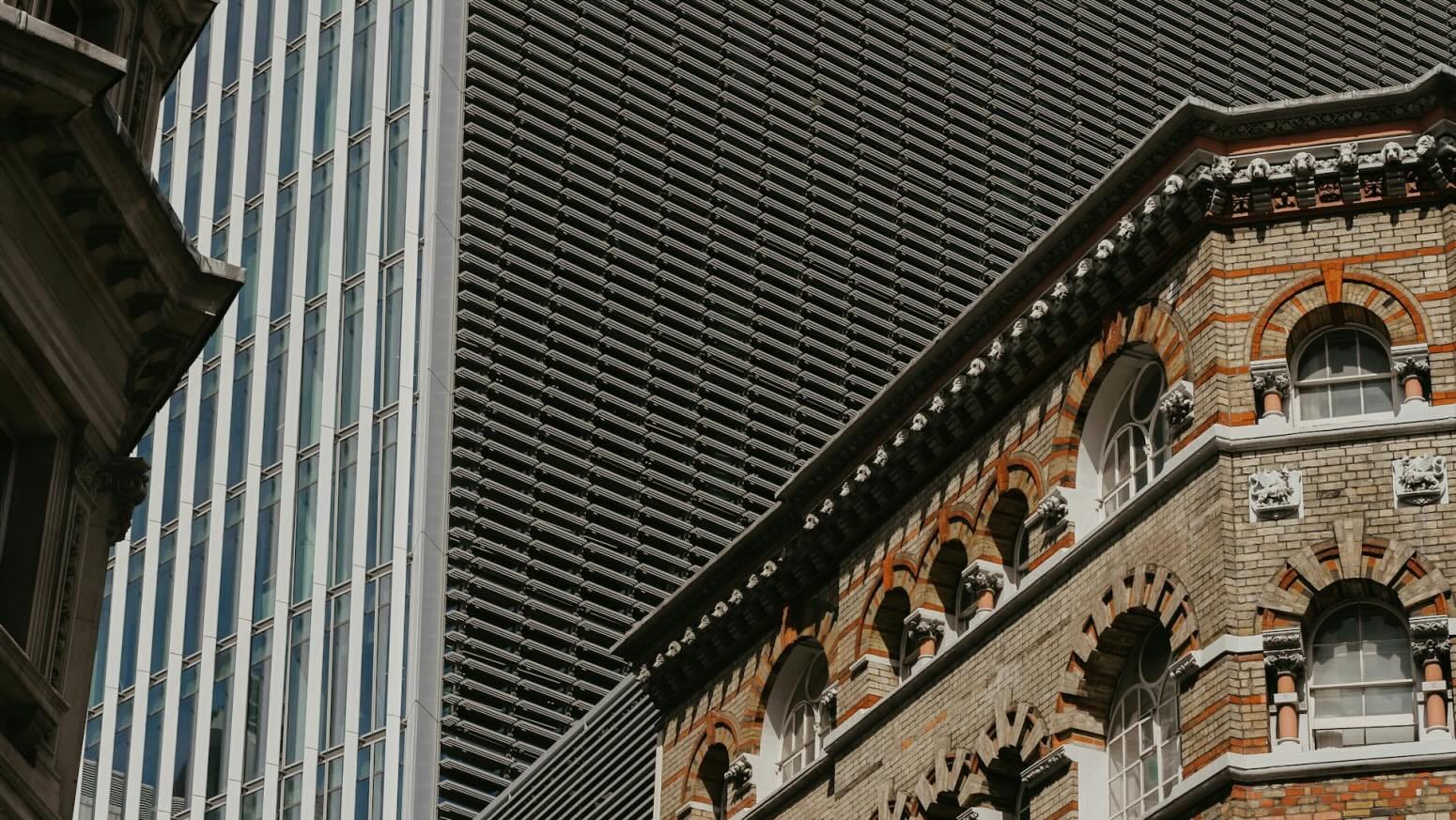
Samuel Hughes is a research fellow at the Centre for Policy Studies, a London think tank. Hughes says new buildings draw a familiar complaint—that they all look the same, boxes of glass, steel, and concrete. There’s something to that, especially for offices. But it isn’t really true that new housing looks identical from one city or country to the next. When people say new buildings are too boxy, Hughes says, what they mean is that they’re not beautiful enough—because plenty of old buildings that people are perfectly happy to live with were boxier still.
There’s solid evidence, he says, that most people really do find contemporary buildings less beautiful than older ones. The reasons are many, but one of the more important, in Hughes’s telling, is the rise of an anti-democratic strand of elite taste in the 20th century—one that, given who today’s elites are and how loosely information now travels, may be on its way out.
Gustav Jönsson: So many buildings today look the same. Why?
Hughes: Well, there might be a red herring here.
It’s true that a lot of new builds look alike. Unit costs fall when you standardize the elements you’re working with, and speculative builders—who buy land and put up houses without buyers lined up—tend to play it safe. There’s a small minority who want something eccentric, but if you’re building on spec, those buyers might not turn up for this particular estate on the edge of Lichfield. You don’t cater to niche markets. So yes, there’s a push toward standardization.