Football is the biggest game on Earth.
Last anyone counted, maybe a quarter of a billion people play it in some organized, regular way. A lot more follow it—on TV, on their phones, at the grounds. And guess how many watched the 2022 World Cup final between Argentina and France. A billion and a half, apparently—about a fifth of everyone in the world.
It’s a local game everywhere: a pickup match on a beach in Santos, a Sunday-league fixture under floodlights in Edinburgh, a kid in Dakar weaving around her older brothers in a courtyard. It’s also the global game: hundreds of pro leagues in more than 200 countries, with matches going on in every time zone, every day.
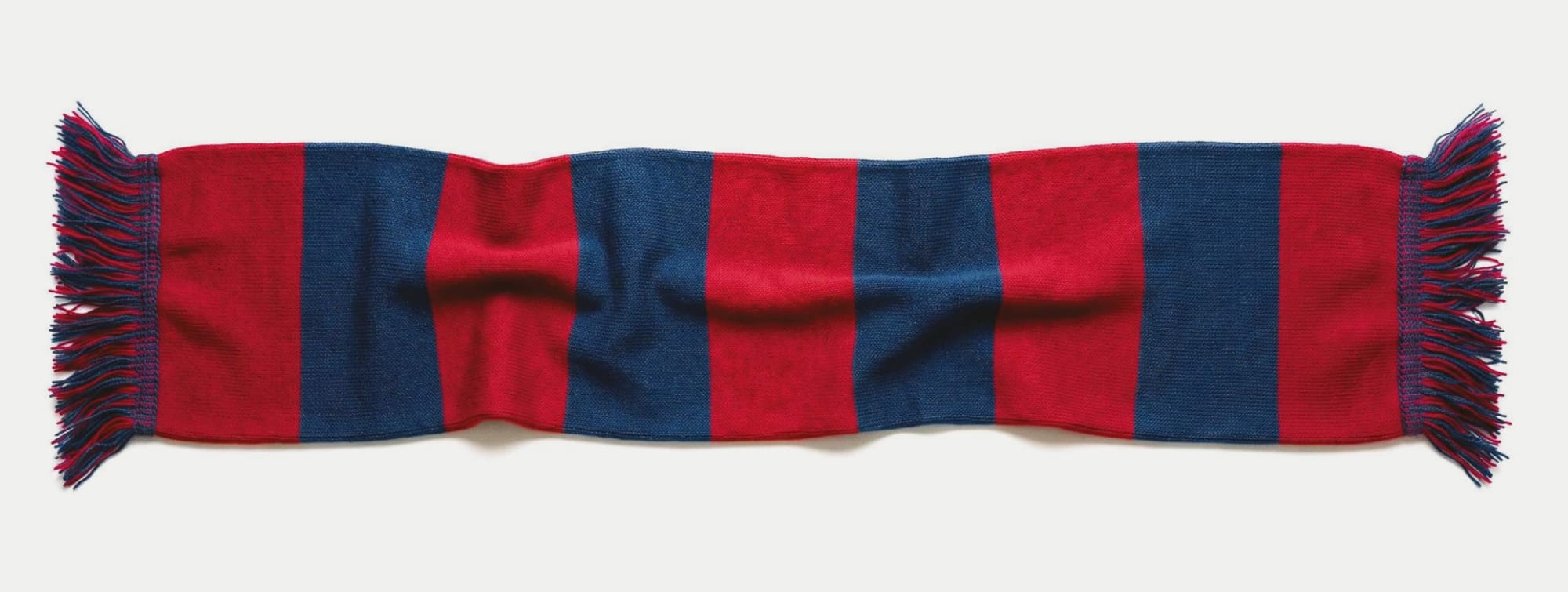
Most people who follow football don’t just follow it, either. They identify with their clubs the way people identify with churches or hometowns. They sing in stadiums. They wear scarves their grandfathers wore. They scream, sometimes hugging strangers, when their team scores. They hate clubs from cities 20 kilometers away with an intensity they reserve for probably nothing else in their lives. The whole thing is, by any reasonable measure, a little crazy. But beautiful-crazy.
It’s a huge business now, of course. The most successful clubs in Europe are worth billions. Sponsorship deals run to nine figures. Television rights, higher. For decades, affluent investors have been moving money into football. In 2008, though, something curious happened: A government bought a club, in another country—5,700 kilometers away.
That was odd.
—JJG