The conviction of Jimmy Lai
Recently: Three years of “peace talks”—and the positions are further apart than ever. What are Ukraine and Russia “negotiating”?
Today: On Monday, a Hong Kong court convicted the publisher of the enclave’s most influential pro-democracy newspaper on grounds that could get him life in prison. He could have left Hong Kong when Beijing imposed its national-security law in 2020—but he stayed.
+ For members: What does the transformation of the German military mean for Europe? Liana Fix on Berlin’s mission to build the Continent’s most powerful army.
& New music from Ches Smith ...
One prisoner
Jimmy Lai could have left. After Beijing imposed its national security law in 2020, the media tycoon had the means and the warning. He stayed—kept publishing Apple Daily, the brash pro-democracy tabloid that had irritated Beijing for 26 years, until police shuttered it in 2021; spent 1,800 days in solitary confinement; then took the stand for 52 days to argue his own defense.
On Monday, Hong Kong’s High Court convicted him. Two counts of colluding with foreign forces, one of sedition. The 78-year-old faces life imprisonment. The evidence against him included meetings with Mike Pence and Mike Pompeo in 2019—before the security law existed.
U.S. President Donald Trump vowed to free Lai and raised the case with China’s President Xi Jinping in October. Hong Kong issued the verdict anyway—suggesting Beijing weighed Trump’s public commitment against everything else Washington wants from their relationship and bet that one prisoner won’t be a dealbreaker. … See “One country, one system.”

Meanwhile
- Chile’s sharpest turn since Pinochet. Far-right candidate José Antonio Kast won Chile’s presidential runoff on Sunday with 58 percent of the vote—the country’s most decisive rightward shift since democracy returned to the country in 1990. Kast, who has praised former dictator Augusto Pinochet, campaigned on mass deportations and military deployments to high-crime areas. His opponent, the Communist Party’s Jeannette Jara, conceded within hours.
- Potash for prisoners. Belarus freed 123 political prisoners on Saturday, including Nobel Peace Prize laureate Ales Bialiatski and opposition leader Maria Kolesnikova, in exchange for U.S. sanctions relief on Belarusian potash exports. Trump envoy John Coale announced the deal after two days of talks with President Alexander Lukashenko. More than 1,000 political prisoners remain in Belarusian custody.
- The first night of Hanukkah. Gunmen killed at least 15 people at a Hanukkah celebration on Sydney’s Bondi Beach on Sunday, in what Australian authorities have determined was a terrorist attack. Prime Minister Anthony Albanese called it a “targeted attack on Jewish Australians.” A father and son have been identified as the suspected perpetrators. It is Australia’s deadliest terror incident.
- The year-long conspiracy. South Korean special counsel Cho Eun-suk concluded on Monday that former President Yoon Suk Yeol plotted martial law for over a year—including ordering drone operations into North Korea to provoke retaliation that would justify emergency rule. Pyongyang didn’t take the bait. Twenty-four people have been indicted; Yoon remains jailed on insurrection charges.
- The ceasefire that wasn’t. Thai Prime Minister Anutin Charnvirakul rejected U.S. claims of a ceasefire with Cambodia on Saturday, vowing continued military operations. Cambodia closed all border crossings. Fighting has spread to seven Thai provinces, displacing over 600,000 people. Trump brokered a peace deal between the neighbors in October; Thailand suspended it last month.

Wary of fast fashion?
Shop Congo Clothing Company and
make a difference—in style.
For members
Out of the past
What does the transformation of the German military mean for Europe? Liana Fix on Berlin’s mission to build the Continent’s most powerful army.
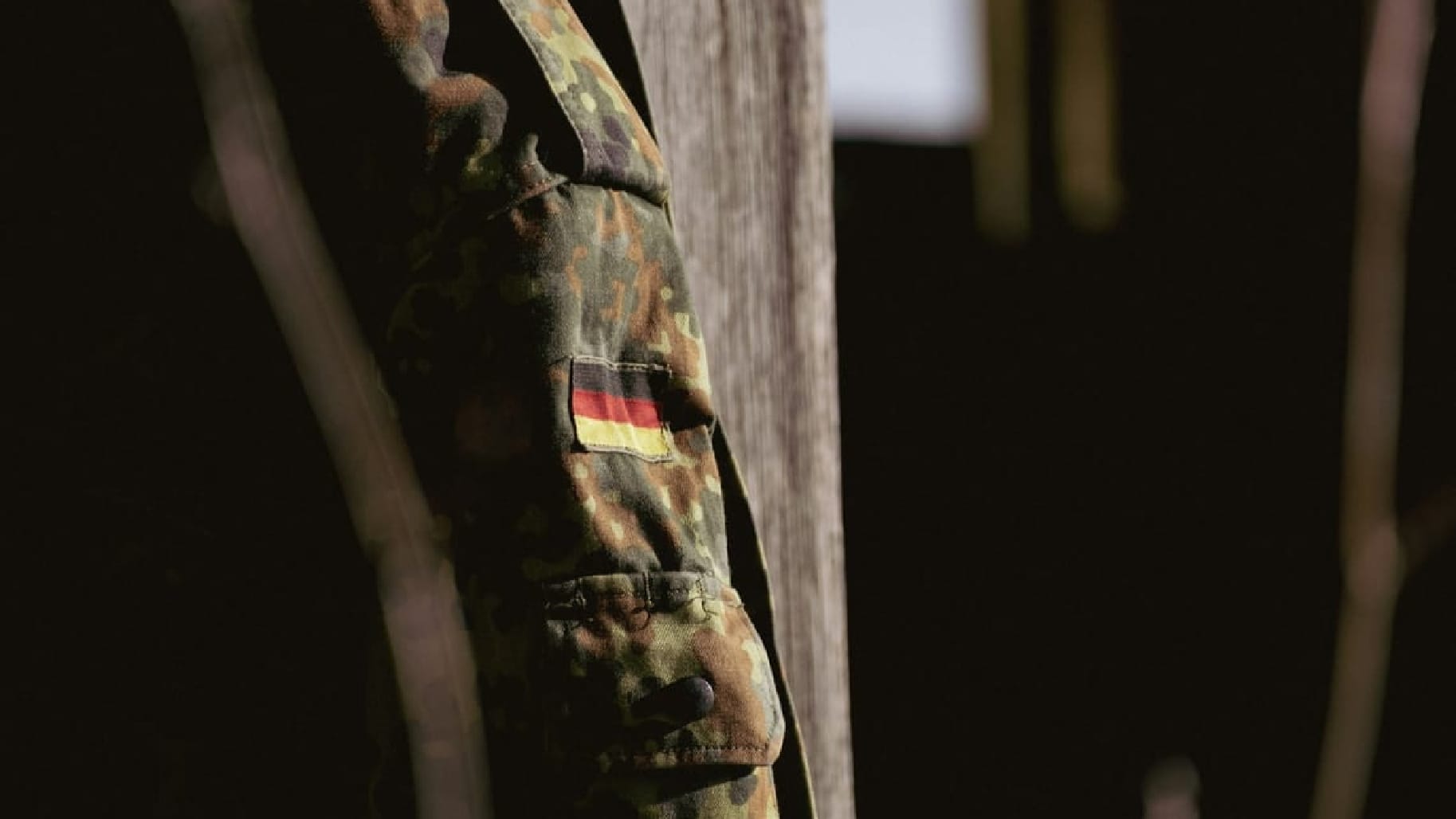
German Chancellor Friedrich Merz has said he wants his country’s military to become “the strongest conventional force in the EU,” and his government just took a major step in that direction. On December 5, Germany’s legislature, the Bundestag, passed a military-service law that aims to increase the size of the army over the next decade by almost 50 percent, from about 180,000 soldiers today to 260,000 in 2035—along with 200,000 reservists.
Starting next year, all German 18-year-olds will receive a questionnaire to determine their “motivation and suitability” for armed service, and in 2027, all males turning 18 will have to undergo medical evaluations of their military fitness. And the law requires the Bundestag to consider making military service mandatory, if enlistment numbers start falling short.
The law has provoked widespread protest and heated debate: On the day the Bundestag approved it, about 3,000 young people in Berlin protested the new rules, and students in more than 80 cities across Germany refused to go to school, to show their opposition. Young people say they’re against increasing defense spending instead of addressing long-term problems like climate change and the future of the country’s pension system. The main political criticisms of the move came from parties on the populist right and left, which have a record of expressing support for Russia in its war on Ukraine.
The new threat posed by Moscow, meanwhile, is the driving force behind Germany’s transformation of its military. Former Chancellor Olaf Scholz declared the Russian invasion of Ukraine a Zeitenwende, or historical turning point, in 2022. Since then, many NATO countries have made steep increases in military expenditures, and Berlin now has the fourth-largest defense budget in the world. But in Germany, massive defense spending and troop build-ups carry a historical weight unlike in any other European country.
Can Berlin pull this off?
The idea of a strong German military is a paradox on the Continent today, as Liana Fix explores here in The Signal. Unlike in the twentieth century, European leaders today welcome the prospect of Germany as a strong security partner—but the German people remain highly skeptical.
For decades after World War II, many if not most Germans considered themselves pacifists, Fix says. As a result, many of them scorned soldiers, even expressing their disrespect in public.
Even now, many still have a profound opposition to militarization, and they do not want to see the German armed forces acting as a military leader in Europe.
“It will be tough to get Germans to embrace the idea of taking on a dominant military role in Europe,” Fix says. “They’re just not willing to become military adventurers. The lessons that have come to them from history run too deep.” …
Your loyal guide to a changing world.
Membership with The Signal means exclusive access to premium benefits:
- Regular profiles on the questions behind the headlines
- In-depth feature interviews with our network of specialist contributors from across America and around the world
- The despatch, our weekly current-affairs and cultural-intelligence briefing
- Early access to new products, including print extras
It also means vital support for an independent new enterprise in current-affairs journalism.
New music
‘Town Down’
The Sacramento-native jazz drummer and vibraphonist Ches Smith has a giddy, riff-heavy record this year—with Mary Halvorson on guitar in the right channel, Liberty Ellman on guitar in the left, and Nick Dunston on bass and electronics. The stereo separation gives the album an unusual spatial quality. Worth your time if you like tight ensemble playing and abrupt turns.