Front lines
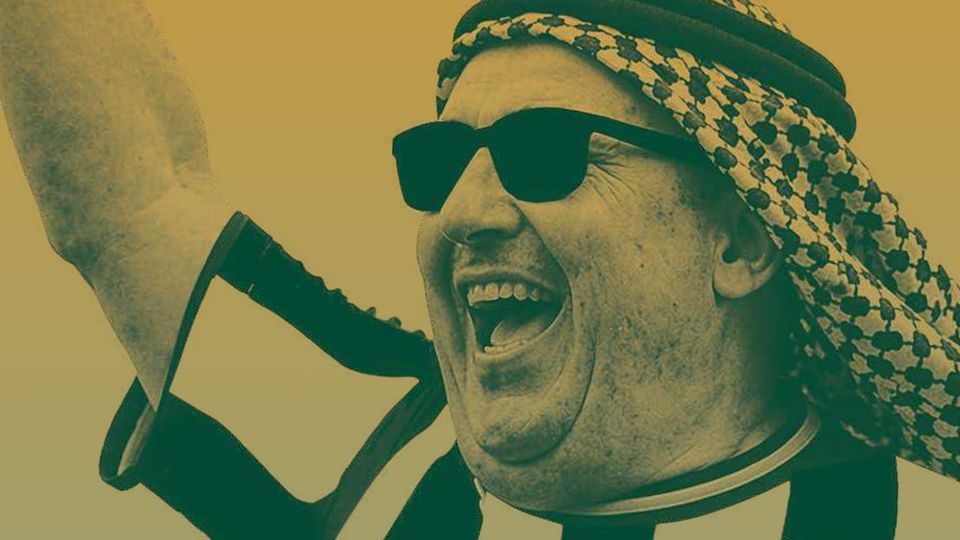
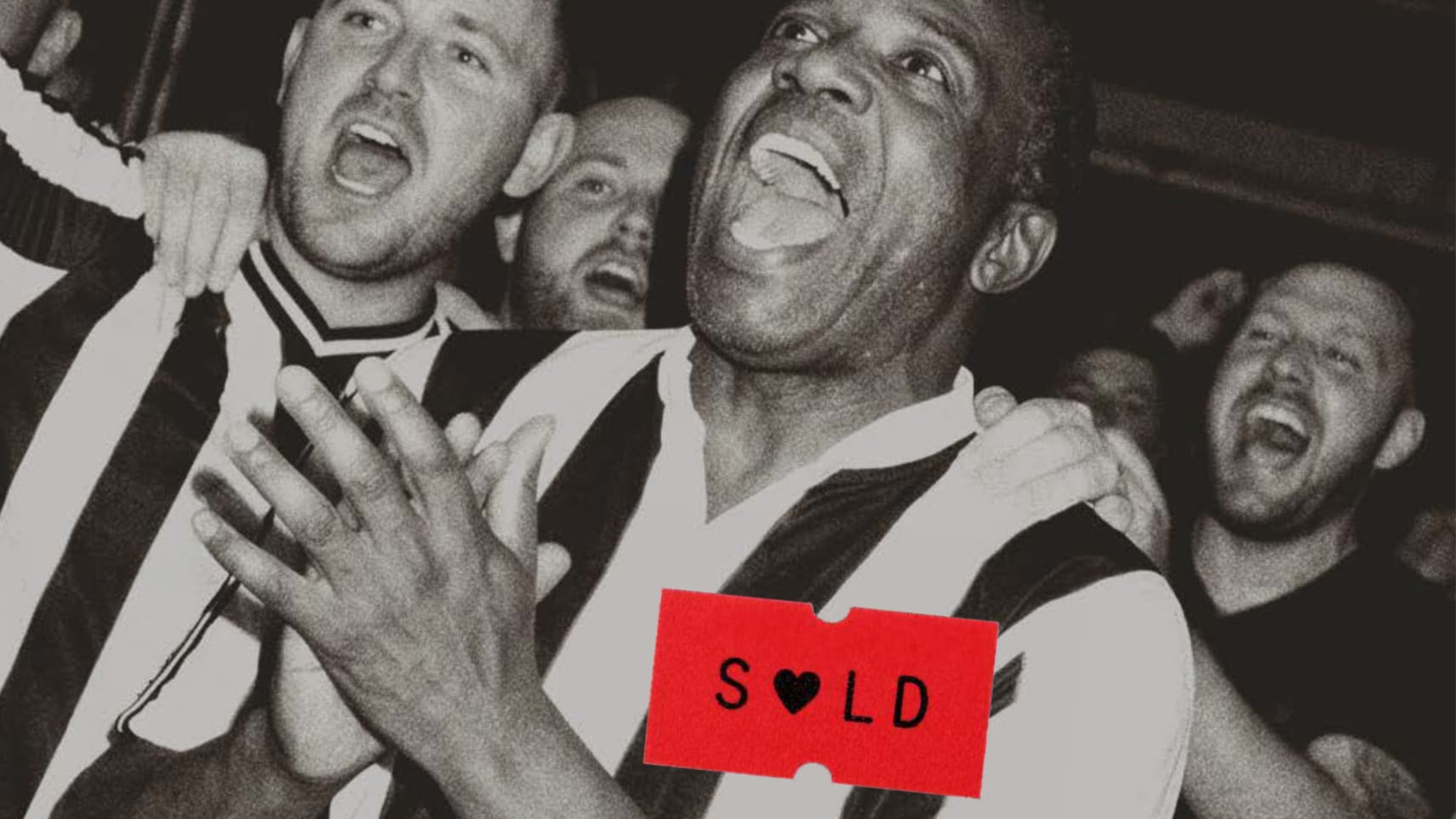
On the evening of October 7, 2021, thousands of Newcastle United supporters gathered outside St James’ Park, the club’s stadium in northeast England. The Premier League had just ratified the sale of the club to Saudi Arabia’s Public Investment Fund. Some supporters wore fake thobes—the long, ankle-length robe traditionally worn by men across the Arabian Peninsula. Others had wrapped tea towels around their heads with ribbon. A chant went up, aimed at Manchester City: We’re richer than you. Parents held their children up to witness what the local papers called a new dawn.
A van drove past the stadium, meanwhile, carrying a poster that read Justice for Jamal Khashoggi. Khashoggi was a Saudi journalist and dissident murdered and dismembered inside his country’s Istanbul consulate three years earlier—on the orders, a U.S. intelligence report later concluded, of PIF’s chairman, Crown Prince Mohammed bin Salman.
The supporters saw the van. They kept singing.
Why?
David Goldblatt is a British sports journalist and sociologist, and the author of The Ball Is Round, on football’s global history, and The Age of Football, on its entanglement with money and power over two decades. Goldblatt says scenes like this have been a long time in the making. A foreign government had just bought itself one of the oldest clubs in English football—130 years of history, rituals, songs, grievances, loyalties, the whole of it. No regulator had blocked the sale. No court had intervened. No ministers had so much as asked any particularly difficult questions. No one had, it seems—apart from the small minority of supporters pointing out that the chairman of their club's new ownership had apparently seen to a critic’s brutal assassination just three years earlier ...
From The Signal’s new limited-edition print extra, Shadow Play.
Elisha Maldonado: All these supporters showing up in thobes and the like—what were they celebrating with this?
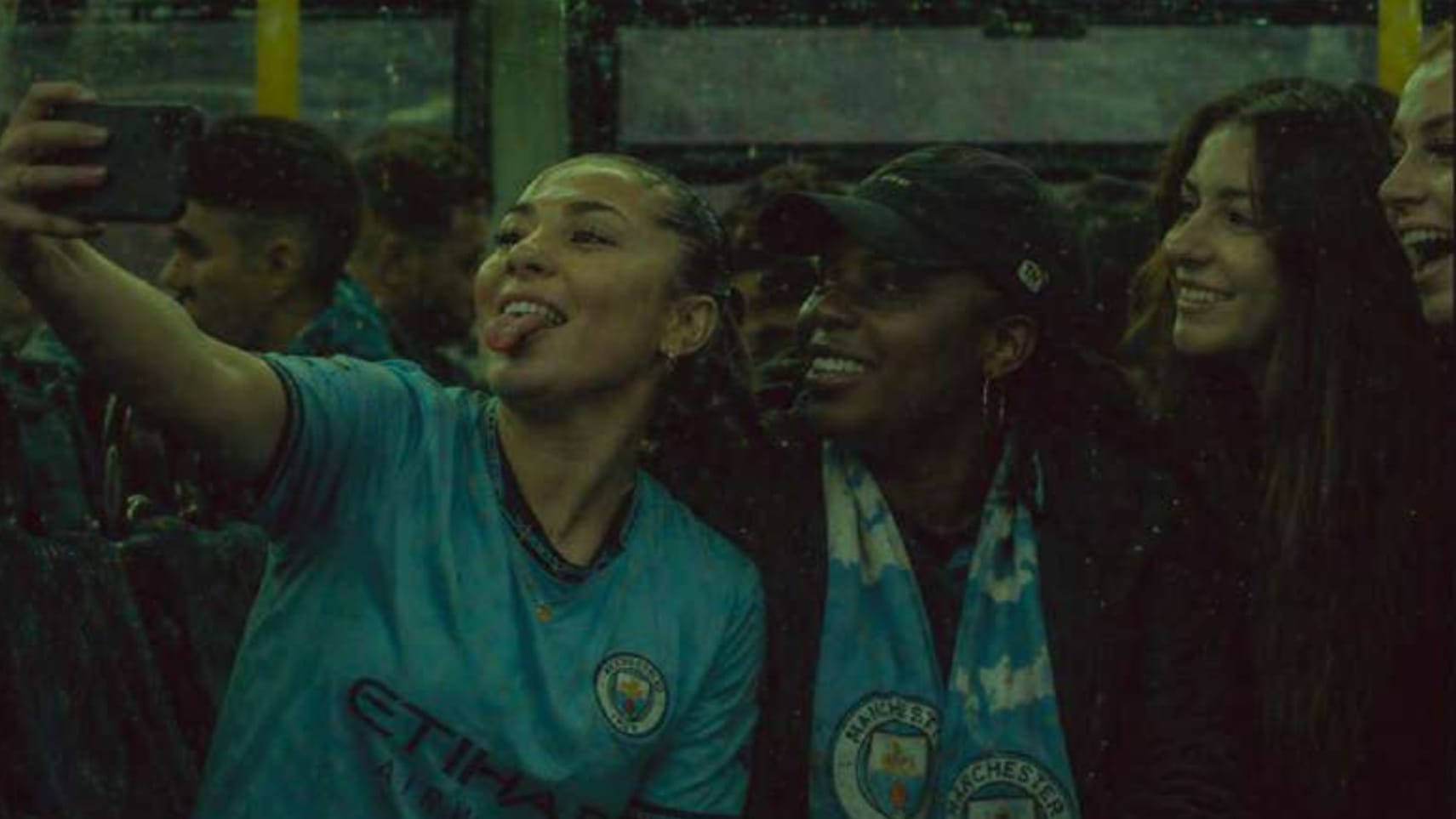
David Goldblatt: A new life.
When the United Arab Emirates bought Manchester City in 2008—the first Gulf-state takeover—the reaction among supporters was overwhelmingly positive. You have to understand, this was a club who’d had their great days in the late 1960s and early ’70s—not just winning things but winning things in style, as one of the most glamorous clubs in England—with the charismatic manager Malcolm Allison strutting the touchline in a fedora and so on. And then it was decades of underperformance.
At one point, City dropped to the third tier. The supporters developed a gallows-humor chant they’d sing through defeat after defeat: We’re not really here. By 2008, following a miserable couple of years under the exiled former Thai prime minister Thaksin Shinawatra, City were still the “noisy neighbors” living in the shadow of the great Manchester United across town.
So when the Emiratis arrived, people saw what it meant: a chance to rise in the top flight, a chance to put one over on United. The human-rights record of the U.A.E. was the least of anyone’s concerns.
When Qatar took over at PSG in 2011, most supporters were just as delighted. The pushback came from the club’s ultras: organized fan groups who, in the old style, occupied parts of the stadium and ran their own security—a kind of arrangement that wouldn’t be tolerated in the English Premier League. The Qataris kicked them out. There’s an ultras group at the Parc des Princes now, but its independence is the subject of unresolved debate.
Newcastle was something else.
They go for the things people love most, because once you have someone’s heart, the rest can be negotiable.
By the time the Saudi Public Investment Fund completed its purchase in 2021, the club had spent 14 years under Mike Ashley, the English retail magnate—an ownership period of relegation, neglect, and bitterness. A big club with a big history and nothing to show for it in years. Most of the fanbase was now ecstatic. A committed group at the margins—Newcastle United Fans Against Sportswashing—organized around the human-rights question and continue to run social-media accounts and hold occasional protests.
But across all three clubs, supporters who’ve welcomed the new owners have hugely outnumbered those who haven’t.
Maldonado: Why is that?
Goldblatt: Because a new hope like this can be overwhelming. None of it is really consent in a political sense. It’s people experiencing the elation of something they've lived without for a very long time.
Football fans are emotionally vulnerable people—people whose identity runs through their clubs in ways that don’t survive much rational scrutiny. I wouldn’t want to stretch the analogy, but there can be something of an addict in them. And we’re asking them to be on the front lines of a human-rights movement. In the meantime, Barclays has no problem doing business with the Gulf. British Aerospace sells them weapons. The British government rolls out the red carpet for them on one occasion after another. So the supporter looks around and thinks: Right, I’m the one meant to take the moral stand here?
Which isn’t to say there’s no moral case for taking a stand. There is. But you understand why so many people don’t. Supporters are as good as anyone at finding evasions, equivalences, reasons not to break with something they love. We’re all good at that. And these authoritarian regimes understand as much perfectly. They go for the things people love most, because once you have someone’s heart, the rest can be negotiable.
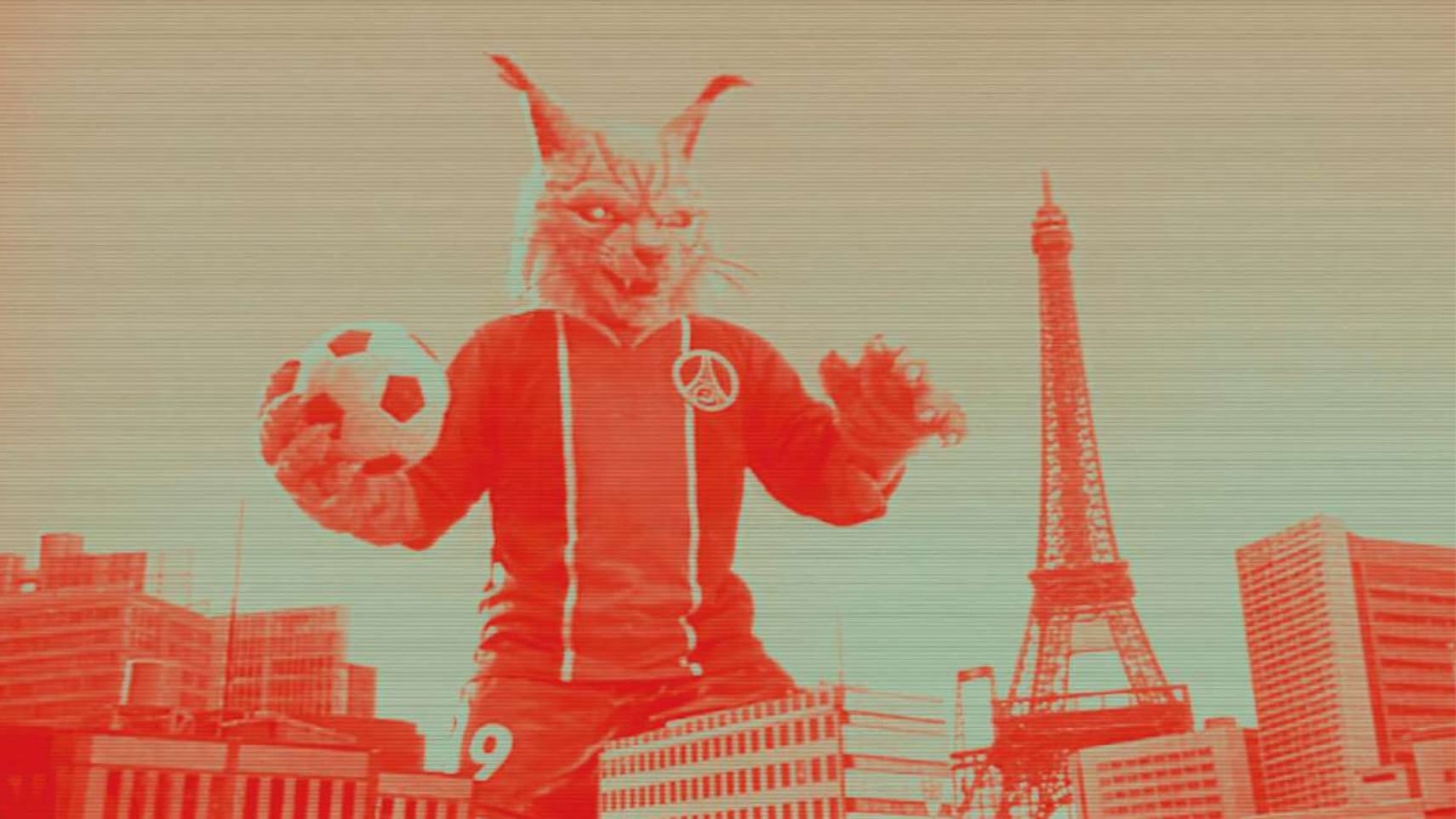
Maldonado: Still, these guys seem to have developed good reputations—as winners, as custodians of their clubs, but also as kind of extended members of the communities around them?
Goldblatt: It’s the hardest thing to square in all this, honestly. At Manchester City, everything they do is best in class. The stadium, the youth program, the women’s team—every part of the club properly funded, properly run. City operates a free network of zero-emission electric buses to bring supporters in from across Greater Manchester on match days, which is almost unique in English football. At Newcastle, Mike Ashley had neglected the women’s team to the point of embarrassment. Under the new ownership, it’s a serious operation. PSG likewise: trophies, the academy, community investment—the lot.
So you have supporters feeling that people are telling them they should, on moral grounds, resist institutions that are genuinely improving their clubs and their communities. What are we actually asking them to give up? The women’s team? The bus service? The fact that their club is, for the first time in a generation, competitive? This is the trap. The regimes aren’t buying silence through charity—they’re buying it through real investment. Serious investment. The problem is what else comes with it. But you can’t really meet the problem by asking ordinary supporters to boycott beloved institutions in their lives just when, after all these years, those institutions are finally working.
Maldonado: All this money—it’s improved clubs; it’s improved people’s lives. What’s it done to the game?
Goldblatt: It’s made competition significantly more unequal over the past three decades, and Gulf money, especially, has accelerated that change over the last two.
So the supporter looks around and thinks: Right, I’m the one meant to take the moral stand here?
In the English Premier League, Manchester City have won the majority of league titles since 2012, including four in a row. That’s a weakening of competition, though not extinction. The league was already tilting toward concentrated wealth before the Gulf arrived: American sports-franchise investors had already bought up Manchester United, with Liverpool and Arsenal to follow. A Russian oligarch owned Chelsea for nearly 20 years until sanctions forced him out in 2022. Gulf money raised the stakes. It wasn’t the first money in.
In the French Ligue 1, Paris Saint-Germain have been even more dominant, winning most of the titles in the decade-plus since Qatar Sports Investments bought the club. PSG are virtually unbeatable in French football now. Everyone else is effectively playing for second.
Maldonado: Has anything like this happened in football before?
Goldblatt: Yes and no. States have owned football clubs: in the Soviet Union, East Germany, and Juan Perón’s Argentina—where the populist-authoritarian regime of the late 1940s and early ’50s treated major clubs as extensions of the state—or again during the Argentine military junta of the late 1970s and early ’80s. It hasn’t gone well.
Manchester City had just been through a version of it. During Thaksin Shinawatra’s brief ownership of the club, he had banners hanging in Thai across the executive boxes, sending coded political messages to the Thai king and public while the team below scratched out a draw against Aston Villa. You could say these were clues as to what would come.
But the Premier League was naive, and behind the naivety was a long retreat. Over the past 30 years, successive British governments and the Football Association itself have abandoned any serious stewardship of the game. Football in England is public cultural property—collective capital built up over more than a century by clubs, supporters, journalists, communities. Conserving that kind of property is traditionally and exactly the work governments and football authorities are supposed to do. They stopped doing it. And the Gulf states walked through an open gate. So did the interests that came in with them—Saudi Aramco, Emirates, Etihad, the Qatar Tourism Authority, all of them now on the shirts, the stadiums, the tournaments, the broadcasts.
Maldonado: Total ownership.
Goldblatt: Yes. But of what, really?
What is a football club? It isn’t the players. They come and go. It isn’t the coach—even Arsène Wenger eventually left Arsenal. It isn’t the stadium, because Arsenal is still Arsenal whether they’re at Highbury or the Emirates. What a club actually is—what Arsenal is—is a bundle of collectively generated meanings, narratives, symbols, identities, built up over many years by the interaction of a team, its supporters, their community, the press and public around them. Without all that, a match is just some people kicking a ball around. With it, the whole thing becomes profound, and also—not incidentally—commercially valuable.
That’s the thing that was on the table. That was the asset, if you want to use the word. The community itself—its memory, its rituals, its sense of who and what it is—had generated something of enormous cultural and commercial value over generations. And then the people whose job it was to look after it simply walked away and let someone else pick it up. The Gulf states didn’t build this. They bought it.