The revolt against the elites
“Elite” has become “one of the nastiest epithets in American politics,” even “the defining political insult of our times”—now marking you as “evil, if not criminal.” With his re-election campaign floundering in 2024, U.S. President Joe Biden himself called in to the cable-news channel MSNBC and attacked “the elites” who wanted him to make way for another candidate.
Politicians use it everywhere. The former U.K. Prime Minister Theresa May accused people in positions of power of behaving “as though they have more in common with international elites than with the people down the road.” U.S. President Donald Trump has made similar noises, albeit while mocking his “elite” opponents for not being elite enough (“I have a much better apartment than they do. I’m smarter than they are. I’m richer than they are.”). And the leader of the British party Reform UK, Nigel Farage, says he’s heading a “revolt against the establishment.” On the face of it, it’s a weird pattern.
What accounts for it?
Hugo Drochon is an associate professor of political theory in the School of Politics and International Relations at the University of Nottingham and the author of Elites and Democracy. Drochon says dissatisfaction with elites is nothing new, but the gap between political elites and the citizens they govern has widened over the last half century or so. The political class has become ever more credentialed, ever more insulated from the less well-off. Many voters no longer feel that the people they elect really represent them.
The parties and unions that once carried a miner or a factory hand into parliament have withered, and the people still in them mostly come from the same few walks of life. Populists like Farage and Trump now speak to voters directly, over social media. But in Drochon’s account, movements that actually change things—like Trump’s against the American political establishment in 2016, or Péter Magyar’s against Viktor Orbán in Hungary this year—need more than angry voters. They need elites themselves, if even just a few, to switch sides …
This feature is open-access, courtesy of the Marlborough House Foundation.
Gustav Jönsson: How much dislike of elites is there, really?
Hugo Drochon: A lot. But the real question is, which elites? In some spheres, like sports, “elite” is still a compliment. In politics, and in business, it’s an insult. Even there, it depends on who you ask. In the U.S., Democrats tend to like meritocratic elites, while Republicans still like Trump as a kind of elite—a successful businessman. Each side rejects the other side’s elites: No, we don’t want that type of elite.
Jönsson: Who would you say dislikes them most?
Drochon: You can divide politics into left and right, but that’s already quite an elite way of seeing it. People with a lot of political education see a contest between left and right. People with a more everyday understanding see a contest between us and the elites. You might say a third of the population is left versus right, another third is us versus the elites, and the last third just isn’t very interested.
But the question of elites has been there from the beginning. Democracy is the promise that the people will actually rule, but in reality there are always elites of some description—a ruling class, or whatever you’d prefer to call it. There’s always a small group with more power than the rest. Even in a monarchy, one person never rules alone: There’s always a court, always a vizier. It’s more jarring in a democracy, because people expect to rule. When they feel they’re not really in charge, the disappointment runs deeper than it would under other regimes.
When modern democracy began, in the early 19th century, suffrage was far from universal—women couldn’t vote, and there were all sorts of property and educational qualifications—but people still expected “the people” to rule. So the disappointment has always been there. In fact, it’s why the term “elite” came about. Sometimes the gap between the elites and the masses is wider, sometimes narrower. In Europe after the Second World War, the welfare state narrowed it, because people felt they were getting what they wanted. Maybe that arrangement is coming to an end. The people actually ruling themselves just seems to be impossible. I think the real test is whether the elites deliver what the people want.
Jönsson: Still, aren’t some elites closer to the people than others? An old-style European social democrat answered to a party and to a wider labor movement. Jean-Claude Trichet, when he ran the European Central Bank, seems to have held up important summits debating which grand cru to open.
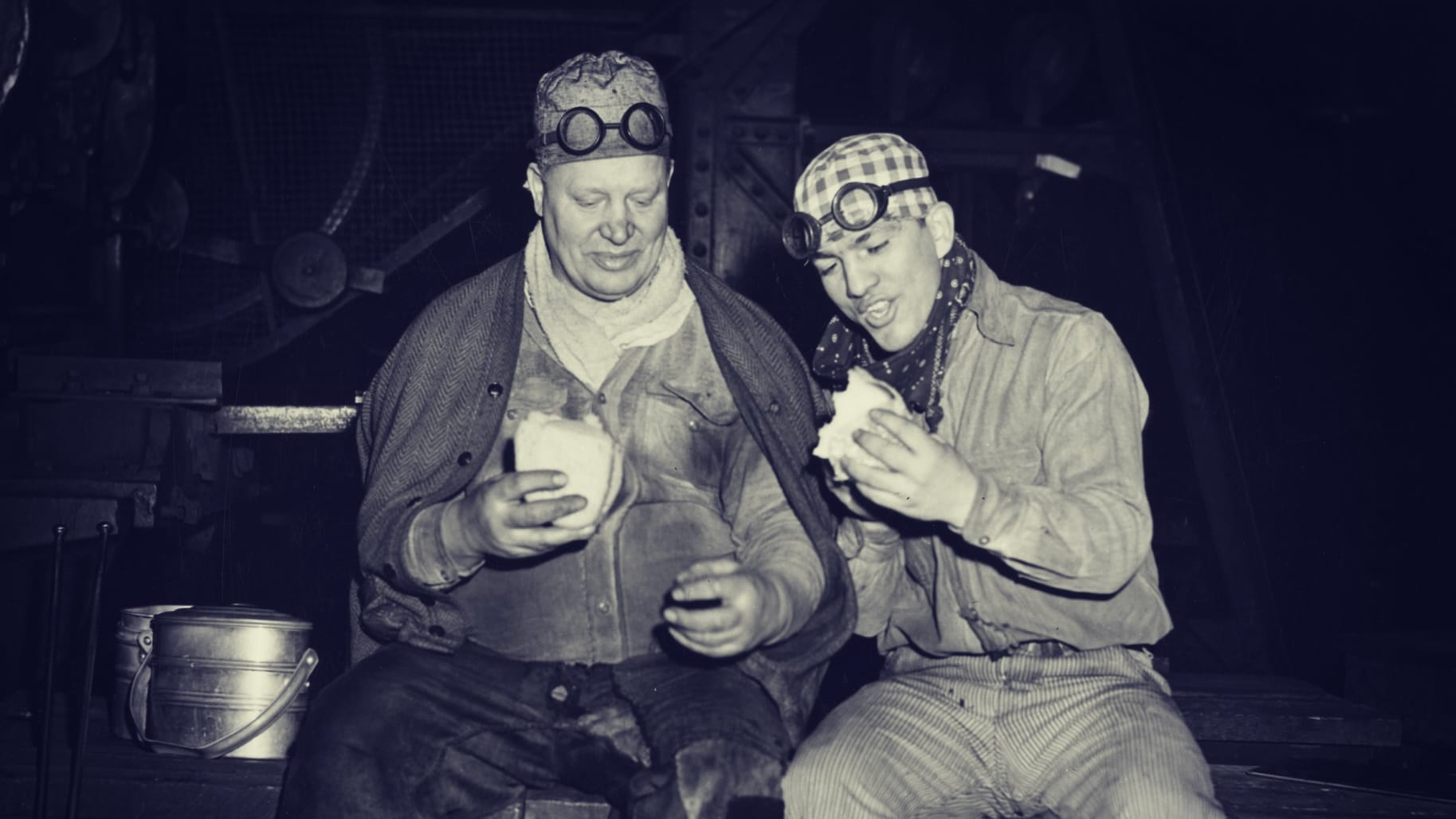
Drochon: The social democrat is the key example. There was a moment, especially after the Second World War, when representatives really did come from the working class. They’d worked in the mines or the factories, and they made their way up through the party. That was a direct link, and it’s completely gone. Quite a lot of studies suggest working-class people have almost disappeared from parliaments.
You can divide politics into left and right, but that’s already quite an elite way of seeing it. … People with a more everyday understanding see a contest between us and the elites.”
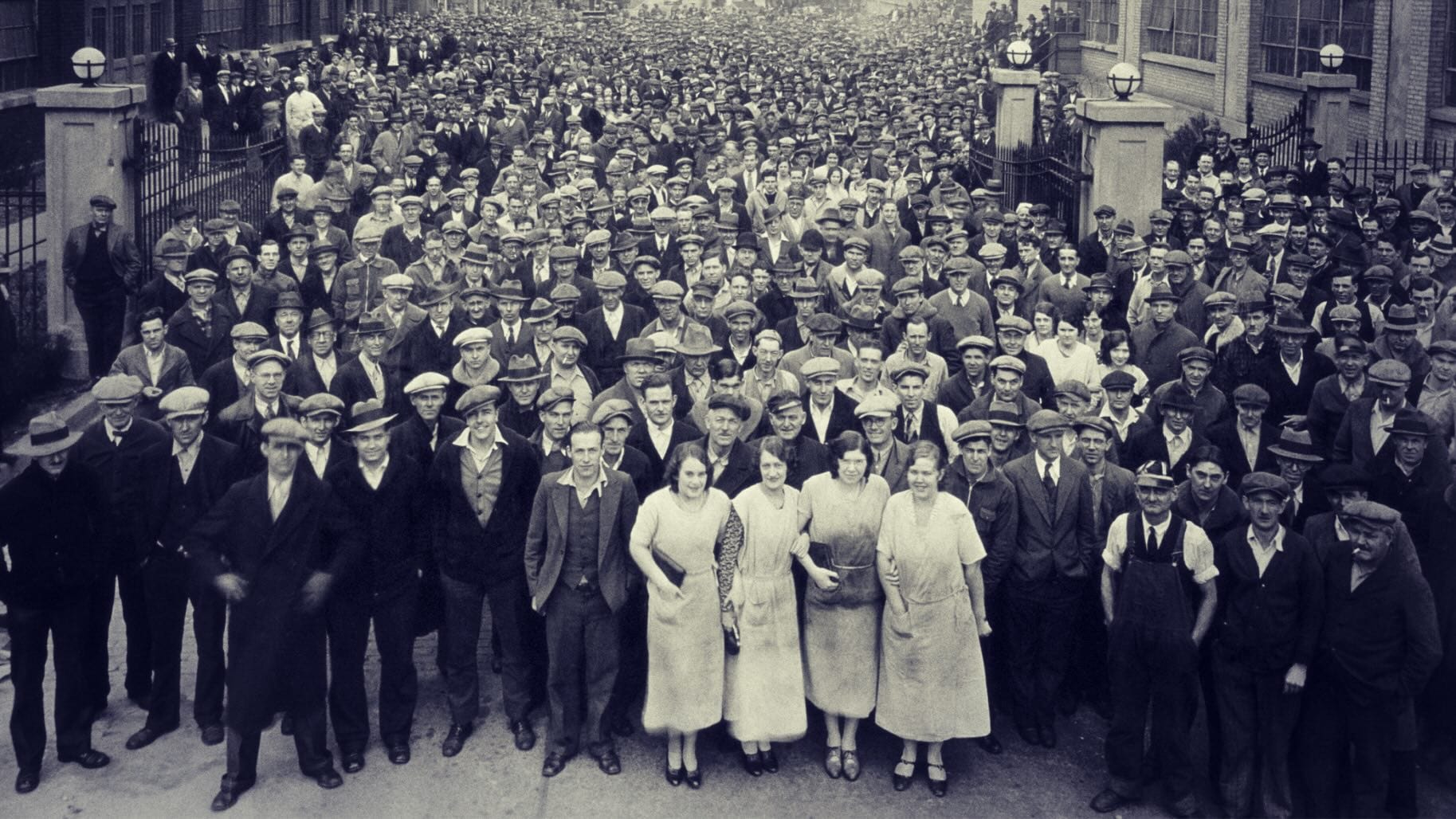
As you say, political parties were meant to play that role precisely, mediating between the people and the elites. That link used to be much stronger, in part because social democratic parties had the unions and working-class organizations behind them. Today, collapsing membership has hollowed out parties on every side, and the people who still belong, left or right, tend to come from very similar social and economic groups. That goes back to my point about left versus right being a somewhat elite way of understanding politics.
Other civic institutions—what Alexis de Tocqueville called “intermediary bodies”—have weakened too. Tocqueville, a Catholic himself, called religion the first of America’s political institutions, and churches mattered enormously in the founding of the United States. I’m not sure they play the same role today, especially in Europe. These institutions have lost some of their influence, and populist leaders, who say they speak directly for the people, fill the vacuum they leave behind.
Add to that the transformation of the media environment. Every political class has to adapt to change like this when it comes. First it was radio, then television. Today we’re in the era of digital and social media. Some of the more established politicians haven’t made that transition as successfully as someone like Nigel Farage. Whatever you might say about Farage, he’s managed it very well. And does Donald Trump come to power without Twitter? He seized on it in a way other, more established politicians haven’t.
Jönsson: So you don’t need the party’s money to print posters anymore.
Drochon: And it works both ways. A political leader can speak directly to the people, without going through the party. In the postwar period, the parties ran communications—they often had their own newspapers. All of that’s gone. At the same time, people can express themselves in new ways. Social media lets people speak whom journalists, as gatekeepers, used to keep out of the newspapers and off the radio. The gatekeeping’s gone too. It’s changed the rules on both sides.
Jönsson: I’ve been reading Teresa Bejan’s new book. She says one of the striking things about the early modern period is that people cared less about voting than about petitioning or going to meetings. Maybe that participatory strain has gone dormant: People vote and then just hope they’ll get the right elites in power.
Drochon: That’s right. Protesting, petitioning—that’s another way of doing politics. But like the political parties and Tocqueville’s other intermediary bodies, it has withered. Now politics seems to be mostly about voting politicians in and voting them out. Bejan’s right to point to that loss. It means that when people are frustrated with the electoral system, the only answer seems to be some form of rioting, which we’ve seen on the Continent. That’s a form of politics, but a more extreme one than writing petitions.
Jönsson: Collective bargaining by riot.
Drochon: Yes, if you like. People no longer feel that voting gets them the results they want, so they feel their only option is to go out on the streets. It shows the disconnect between the elites and the masses, and it shows that political institutions can no longer close the distance.
Jönsson: But some would say, “Democracy is all well and good, but we can’t have too much of it.”
Drochon: Every political regime, going back to the Romans, has been a mixed regime. Britain still has a House of Lords, its unelected upper chamber. America has its checks and balances. Democracy contains different elements, especially now that the state has become so complex. Some people would say that if the British had listened to the experts who warned that Brexit would hurt growth—which seems to have been true—the United Kingdom would be better off now. But as the Conservative politician Michael Gove said at the time, “the people in this country have had enough of experts.” Politics means negotiating the boundary between the masses and the elites, again and again. At the moment, it’s very difficult to find a happy medium.
Jönsson: So who’s negotiating that boundary?
Drochon: If the early-20th-century elite theorists Vilfredo Pareto, Gaetano Mosca, and Robert Michels were right that elites always rule—Michels called it the “iron law of oligarchy”—then what can democracy really mean? We usually define democracy as popular sovereignty, majority rule, the people ruling. But the reality of elite rule seems to challenge all of that. So how can we begin to think about democracy? I think democracy is dynamic. Rising elites perpetually challenge established elites. And if we’re interested in deep political change—not just the circulation from left to right and back again—that’s where we should begin to look. I think three elements need to come together.
First, you need a social movement from the bottom up, but on its own that isn’t enough to cause political change. In the U.S., Black Lives Matter was a strong social movement, but it didn’t lead to direct political change at the top. MAGA—Trump’s “Make America Great Again” movement—did.
Then you need the second element: members of the established elite who break away and join that movement to overthrow the rest of the elite. You need rebel elites. In the summer of 2016, established Republicans such as Mitch McConnell, the Senate majority leader, and Paul Ryan, the Speaker of the House, broke with the Bushes and threw in their lot with Trump. That hasn’t really happened on the Democratic side.
Jönsson: Meaning the Democratic Socialists of America, say, haven’t really got anyone in the Democratic Party’s leadership onside?
Drochon: At least not yet. People like the New York Congresswoman Alexandria Ocasio-Cortez have been doing very well. But to take over the Democratic Party, they’d need somebody inside the Democratic elite to bring them in. That hasn’t happened, though it may. If it does, it would be the left’s equivalent of MAGA.
The third element is that the movement has to run through some kind of political institution, which historically has been the political party. Take Péter Magyar in Hungary. He had all three elements. He’s a rebel elite himself—he came out of Fidesz, Viktor Orbán’s ruling party, before breaking with it—and he used an existing party, Tisza, to channel the protest movement that ended Orbán’s 16 years in power this April.