Breaking from the room
Recently: Why do so many people hate the idea of capitalism? Justin Callais on a shifting mood—and the enduring popular support for the reality of the free market.
Today: The one man in the U.S. administration who wanted the Epstein files out. … Masked men, burning homes, and immigrants chased through the streets in Northern Ireland. … &c.
For members: How secure is Mexico for the World Cup? Benjamin Smith on the cartels, the state, and the war between them.
+ New music from Feeble Little Horse …
Nothing to hide
In a forthcoming book drawn from more than 1,000 interviews and excerpted in this week’s New York Times Magazine, Maggie Haberman and Jonathan Swan reconstruct how the Epstein files paralyzed the White House over the summer of 2025—and put U.S. Vice President J.D. Vance in a strange spot.
On July 17, President Donald Trump’s senior advisers gathered in the Situation Room, without him, to manage a scandal about him: The Justice Department held files on the convicted sex offender Jeffrey Epstein, who died in U.S. custody in 2019, and Trump’s name ran through them.
Apparently, Vance was at the head of the table, characterizing the whole thing as a huge problem, then making an argument he’d repeat all summer: He wanted everything released—the flight logs, the interview notes, whatever the DoJ held on Trump. It would come out eventually, so the White House might as well take the credit. And the president’s chief of staff, Susie Wiles, came away calling the vice president a conspiracy theorist.
While all the others in the room were apparently working to shield Trump, Vance kept pressing to put everything in the open. Why? Haberman and Swan offer enough for several answers without settling on one.
Vance pushed for a congressional investigation; he also floated having Tucker Carlson interview Epstein’s accomplice, Ghislaine Maxwell, in prison, on the theory she might clear Trump. When the others debated whether to post an unverified sexual allegation about Trump to a government website, Vance reckoned the president would survive it—he’d been accused of worse—while Wiles was sure he wouldn’t.
It’s possible Vance believed the darkest version of things—a predator ring shielded inside the ruling class. Or it’s possible he’d read the base souring and feared losing the young, online men who’d voted Trump–Vance in 2024. It’s also possible he was establishing distance from a cover-up he expected to outlast. The record doesn’t yet say which. Either way, one of Trump’s likeliest successors does seem to have spent the summer arguing to release what everyone else around him wanted to keep buried.

Meanwhile
- A second night over Hormuz. The April truce between Washington and Tehran has kept fraying. On Tuesday, Trump accused Iran of downing a U.S. helicopter near the Strait of Hormuz, with both sides trading fire. On Wednesday, U.S. Central Command launched new strikes across Iran, hitting the port of Bandar Abbas, denying Tehran’s claim that it had closed the strait and struck a U.S. warship. UN Secretary-General António Guterres called the ceasefire “more like a lesser-fire.”
- A second night of fire in Belfast. Rioting spread across the Northern Irish capital again on Wednesday, after a June 8 knife attack that’s cost a local man, Stephen Ogilvie, the sight in one eye. Masked crowds set fire to homes and vehicles they believed housed immigrants; police answered with water cannons, and firefighters had to carry residents out of burning buildings. Police have remanded a 30-year-old Sudanese man, Hadi Alodid, to custody, and prosecutors have charged him with attempted murder. Elon Musk reshared a post by the British member of parliament Rupert Lowe calling for the deportation of millions of immigrants.
- Listening for a reply. Taiwan fires U.S.-made HIMARS rockets into the Taiwan Strait, toward China, for the first time. … The World Cup opens in North America, with Mexico meeting South Africa in Mexico City. … New evidence suggests Neolithic people dragged Stonehenge’s six-ton Altar Stone all the way from Scotland. … Geoscientists have mapped an enormous fan-shaped structure beneath Antarctica’s ice. … Astronomers have aimed radio telescopes at 3I/ATLAS, an object from interstellar space, to test whether it’s a comet or possibly alien technology.
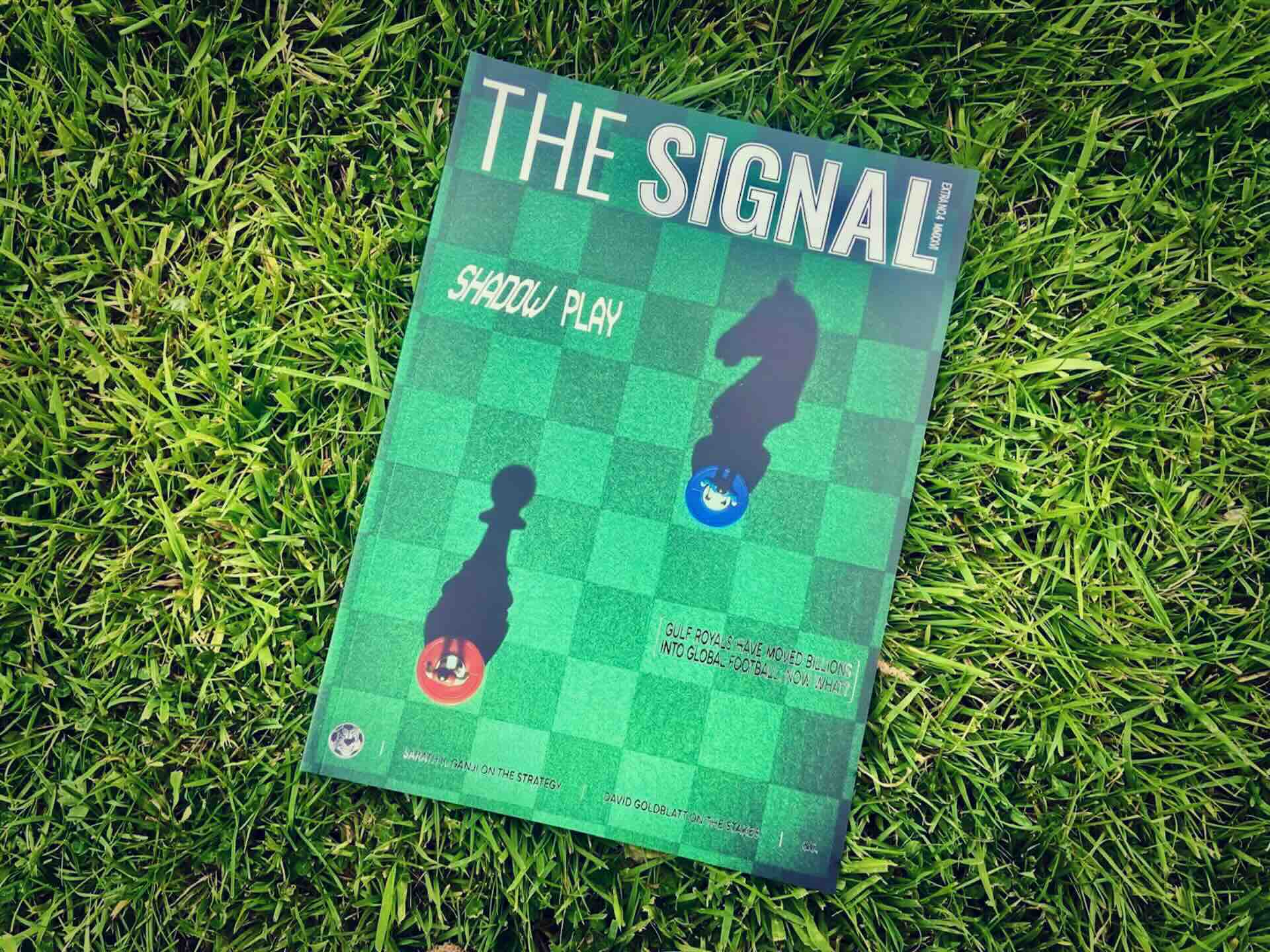
Gulf royals have moved billions into global football. Now what?
Read Shadow Play, a new, limited-run print magazine from The Signal.
On sale now in the U.S. and select markets globally.
From the files
Opening day
How secure is Mexico for the World Cup? Benjamin Smith on the cartels, the state, and the war between them.
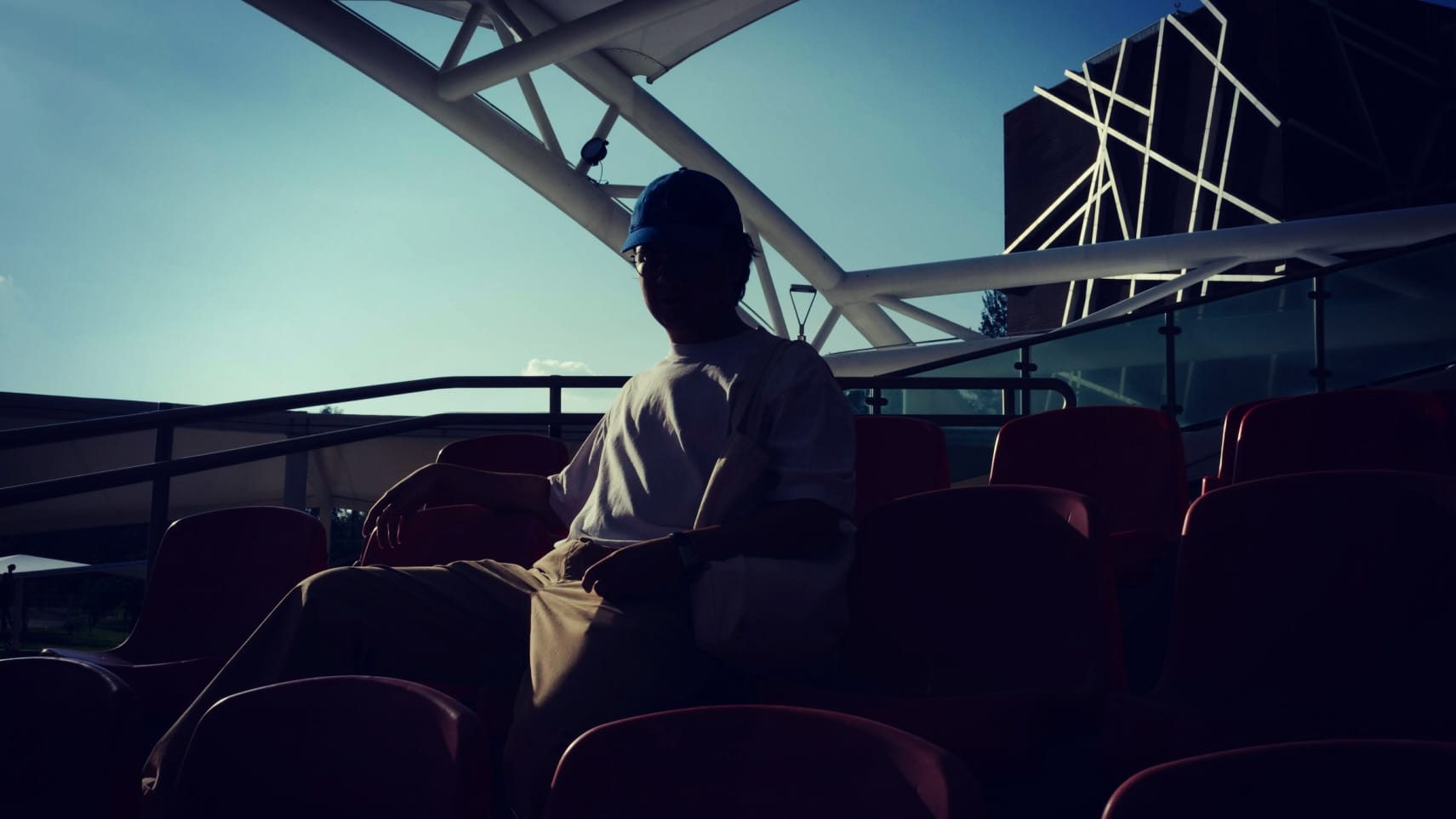
The 2026 World Cup opened Thursday in Mexico City—Mexico beat South Africa 2–0 at the Estadio Azteca. It was the first match of a tournament Canada, Mexico, and the U.S. will host across 16 cities over the next five weeks. And for Mexico, it comes freighted with a question the government has been trying to answer for months: Is the country safe enough?
In February, the Mexican military killed the country’s most wanted man—the cartel kingpin known as El Mencho. Within hours, the cartel struck back, killing 25 members of the National Guard. In El Mencho’s home state of Jalisco—where Guadalajara hosts World Cup matches later this month—cartel members put up 65 roadblocks, setting fire to cars and buses. The government claims to have cut the murder rate by 42 percent in the months before the tournament. Critics say they’re recategorizing homicides as accidents and disappearances.
What’s going on?
Benjamin Smith explores the question here in The Signal. The cartels aren’t just criminal organizations operating alongside the state, he says—they’re embedded in it at every level, running or taxing countless industries, licit and illicit. The violence between the state and the cartels isn’t first and foremost about drugs. It’s about who really runs the place.
From March, Smith on the killing of El Mencho—and the shadow state behind it …
Your loyal guide to a changing world.
Membership with The Signal means exclusive access to premium benefits:
* In-depth feature interviews with our network of contributors
* The despatch, our weekly current-affairs and cultural-intelligence briefing
* Early access to new products, including print extras
It also means vital support for a new, independent venture in current affairs.
New music
‘Doorway’
Over to Pittsburgh for some shoegaze—the dreamy, distorted guitar-rock style out of early-’90s Britain that seems to be having a moment again. The trio Feeble Little Horse are melodic, looping, and on their way up. From their new album, Bitknot.