‘No more elections here’
Recently: Why have buildings gotten so ugly? Samuel Hughes on a status game that’s been playing out in contemporary architecture—and how elite taste may be starting to turn. … & Hungary’s reformers hold the unaccountable state their predecessor built—and are remaking it on their terms. So are they tearing it down, or moving in?
Today: Forty-seven years after the Sandinista revolution, its aging comandante declares the opposition finished. … In the Sahara, jihadists and Tuareg rebels wipe out an army convoy and the Kremlin-backed mercenaries guarding it. … &c.
For members: Why hasn’t Ukraine collapsed into autocracy? Serhii Plokhy on what’s keeping a young democracy together under the strain of war. … & Heavy monsoon rains bear down on the eastern Himalayas.
+ New music from Django Django …
Sealing the exits
Daniel Ortega has won every presidential election in Nicaragua since 2007. On Sunday, at a rally in Managua marking 47 years since the revolution that first brought him to power, he told the crowd there’d be “no more elections” in Nicaragua at all, which opposition forces might only use to “try to seize the government.” Ortega is 80. The rivals who ran against him in 2021 he jailed before the vote and later drove into exile; his wife, Rosario Murillo, he made co-president last year, under a constitution his own party rewrote. The next election wasn’t due until 2027, which he would have won too. So why now abolish formally a vote he already controlled completely?
Ortega is ailing; Murillo, increasingly running the country. With the political opposition long gone, the danger to her now is closer in—the comandantes and generals of the 1979 revolution who never had it in mind to end up serving Ortega’s wife. So she’s been jailing them, as well—including, last year, Bayardo Arce, one of the revolution’s nine leading commanders—and driving other aging generals into hiding. After Ortega’s own brother Humberto, who built up the Sandinista army, called for real electoral choice, Ortega put him under house arrest, where he died in 2024. Without an election, the party never has to settle on a successor; Murillo simply stays.

Meanwhile
- ‘Absurd.’ After American aircraft have been bombing Iran again, now for 10 nights, the Islamic Republic apparently wants a break. Through mediators from Qatar, Egypt, Oman, and Pakistan, Tehran has reportedly offered a 10-day truce and a shared shipping lane through the Strait of Hormuz, even as it keeps vowing in public to fight on against the Americans. Washington seems not to be having it, calling the Iranian proposal “absurd” while holding out for a longer ceasefire and control of the strait.
- The men from Moscow. In Mali on Saturday, Islamic militants, along with the Tuareg separatist Azawad Liberation Front—rivals, usually at each other’s throats—ambushed an army convoy together on the road from the village of Anefis to the city of Gao, killing or capturing dozens of government soldiers and Russian Africa Corps mercenaries with them. Mali’s ruling junta expelled French and United Nations forces from the country before bringing the Russians in to crush insurgents like these. A near-identical ambush killed nearly 50 Russian mercenaries in the same stretch of desert two years ago.
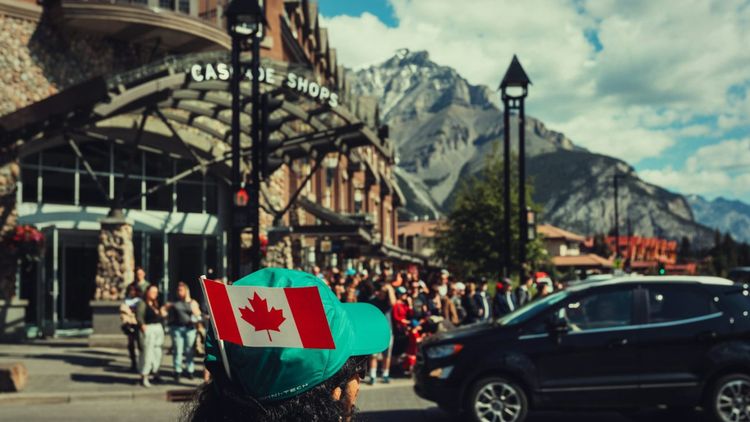
- Ten thousand ghosts. The American president hits Canada, the closest U.S. ally, with a 50 percent tariff under a 1930 law no president had used before. … A Russian cruise missile kills four Indian sailors on a grain ship leaving Ukraine’s Odesa. … Hamas names its exiled negotiator Khalil al-Hayya as its leader, months after he survived an Israeli strike on Doha, Qatar. … The U.S. Federal Bureau of Investigation’s Kash Patel will visit Russia in October as a guest of the Kremlin’s state security service. … & Astronomers find the first of an estimated 10,000 black holes hiding in Omega Centauri, the Milky Way’s largest star cluster.

Therapy might be more within reach than you think. Eligible BetterHelp members may qualify for insurance coverage, opening up more ways to access online care. Your mental wellness is worth it.
Insurance coverage varies by state, plan, provider network, and therapist availability.
From the files
A divided shield
Why hasn’t Ukraine collapsed into autocracy? Serhii Plokhy on what’s keeping a young democracy together under the strain of war.
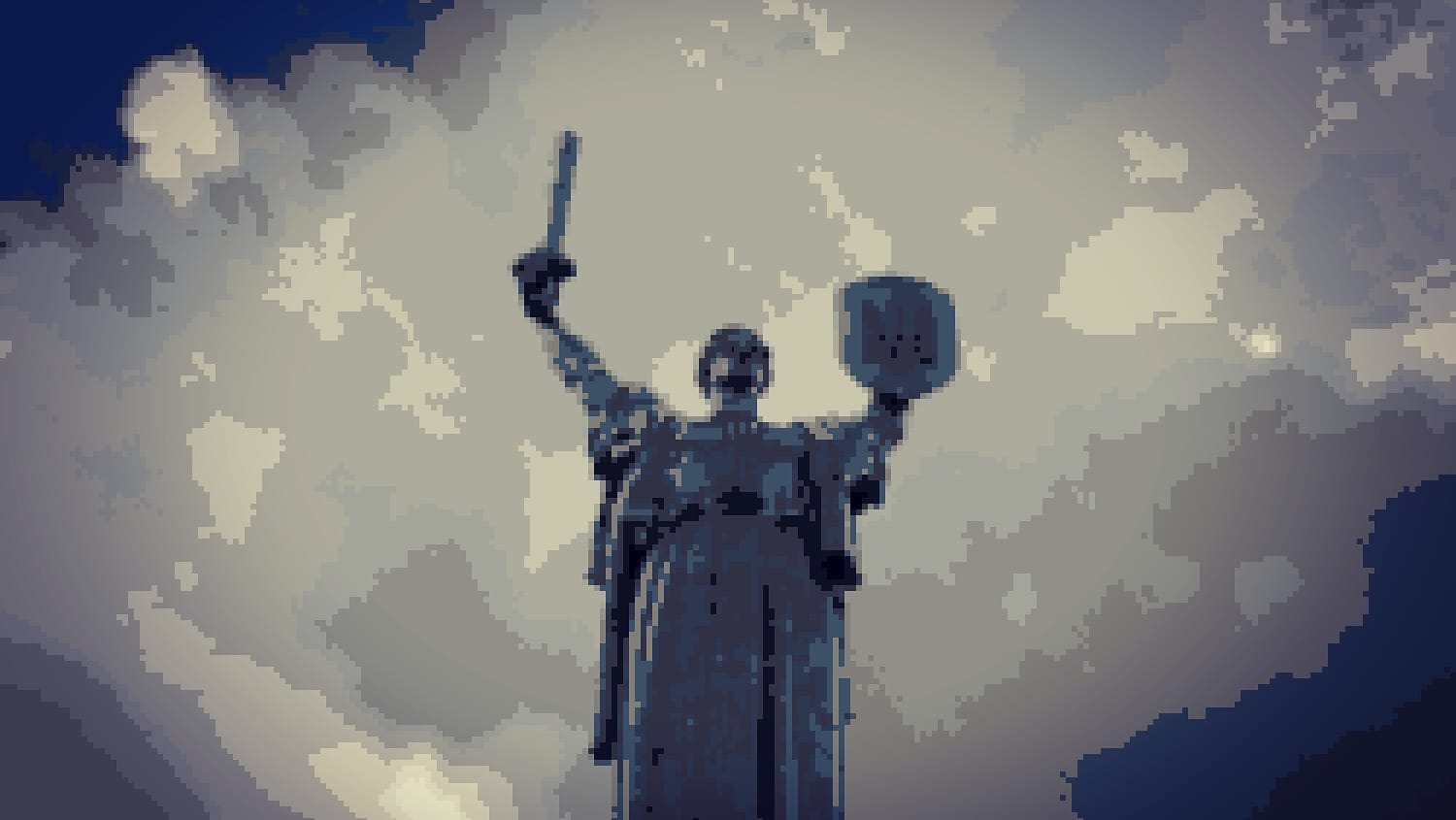
Last Thursday, Ukraine’s President Volodymyr Zelenskyy dismissed his defense minister, Mykhailo Fedorov—the 35-year-old innovator behind the drone program that’s kept Ukraine in the fight against a far bigger army. Looking to many in Ukraine like a president who hasn’t faced an election since 2022 removing a rival, thousands took to the streets of Kyiv, Lviv, and Odesa to protest the firing, chanting “Shame.” It was the second time in a year there’d been protests like this—the first being when Zelenskyy moved to gut Ukraine’s anti-corruption agencies, standing down only after nine days of demonstrations.
Is the war against Russia wearing down democracy in Ukraine?
Serhii Plokhy looks at the question here in The Signal. He doesn’t worry so much about wartime censorship or postponed elections, as such—Britain did the same things during the fight against Hitler during the Second World War, and simply stopped doing them after it. Serhii worries more about the ways war can tempt leaders toward consolidating one-man rule—and the main thing keeping that tendency in check in Ukraine, he says, isn’t its institutions but its fierce and divided society. It isn’t in the legislature or the courts, in other words; it’s in the street—where Ukrainians aren’t hesitating to show up.
From March, Serhii Plokhy on why a fractured Ukraine has been a democratic one—and how war, uniting the country around a genuine existential threat, has challenged that …
Weather report
The atmosphere always seeks balance
27.3389° N, 88.6065° E
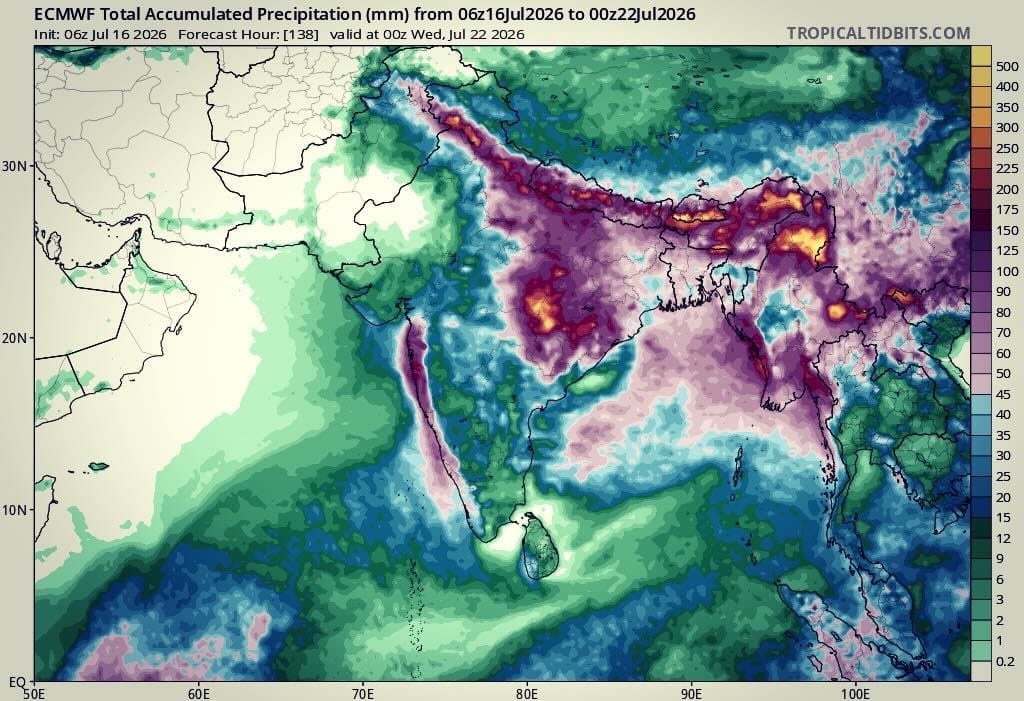
The drought building across Puerto Rico has a counterpart on the other side of the world—one of the steadiest laws of meteorology being: The atmosphere always finds equilibrium. India’s southwest monsoon is strengthening, and it arrives in force next week. Dry in the Caribbean, wet over the Subcontinent …
Your loyal guide to a changing world.
Membership with The Signal means exclusive access to premium benefits:
* In-depth feature interviews with our network of contributors
* The despatch, our weekly current-affairs and cultural-intelligence briefing
* Early access to new products, including print extras
It also means vital support for a new, independent venture in current affairs.
New music
‘Cameos’
Over to London for a new track from the art-rock band behind “Default” and “Hale Bop,” two great songs from 2012 that anyone who passed through a New York City bar or restaurant that year might remember fondly. Django Django’s new record, Doveland will be out on November 6. The close harmonies are still there, now layered with strings.