Stop lights on empty tracks
Recently: Why does the U.S. government keep so many secrets from the American people? Matthew Connelly on how official classification has gone out of control.
Today: Sabotage on the Dutch rail network on Budget Day, and the police can’t say who did it. … The last time the trains stopped like this, a government in exile called the strike by radio from London. … &c.
For members: What’s getting American teenagers off their phones? Ioakim Boutakidis on the strategies parents are using to help kids unplug. … & Who really controls the greenback? Brendan Greeley, The Almighty Dollar: 500 Years of the World’s Most Powerful Money.
+ New music from Karol G …
Developments / U.K. & Europe
The morning shift
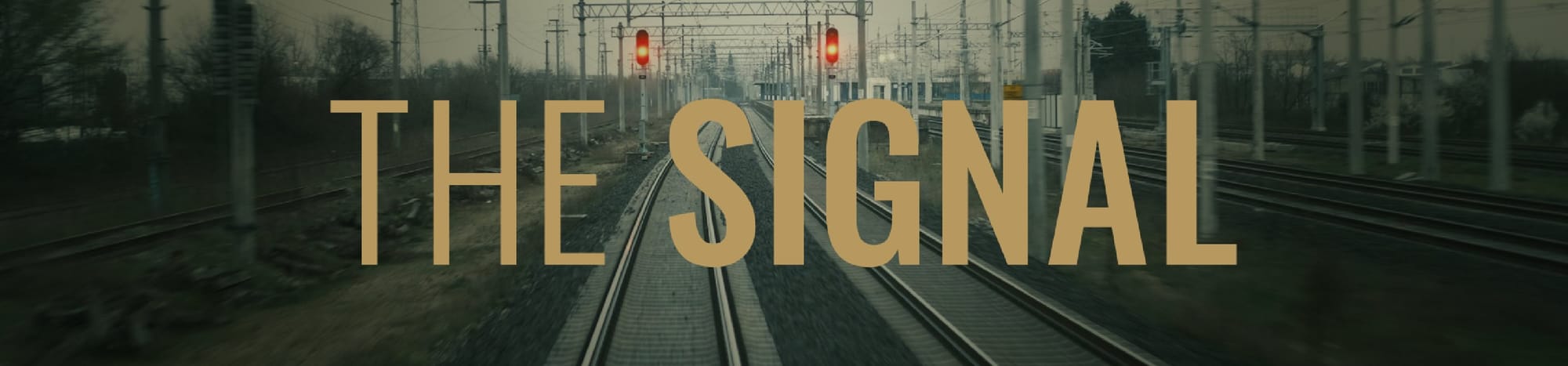
On Tuesday morning, the Dutch rail company ProRail counted more than 30 disruptions from material on the tracks: pipes across the switches, jumper cables clipped to the equipment. There were red signals everywhere, whether or not there were trains. At 1:00 p.m., in The Hague, King Willem-Alexander read out the government's plans. The climate protest group Extinction Rebellion says it sprayed paint at the site of the king’s speech that morning and that the tracks weren’t its doing. Mark van den Oever, who leads the Farmers Defence Force, the group behind the Dutch tractor blockades, says it arranged nothing, though farmers may have acted on their own: “We are demonstrating, but no one is listening.”
Nothing on the cameras
With police having no suspect, the Dutch domestic intelligence service has joined the investigation. ProRail’s chief executive, Mirjam van Velthuizen, says there’s “some camera footage, but unfortunately very little from the specific locations.” A drone rigged with explosives sat beside a Ukrainian plane at Leipzig-Halle Airport on August 4; Germany’s government named Russia on September 2, four weeks later. Bernard Siman, who runs the hybrid-threats group at the Egmont Institute in Brussels, calls attribution “the lynchpin of deterrence, and one of the weakest links for democratic states.” Siman wants governments to agree in advance on the evidence it takes to blame a state, instead of arguing it out after each attack.

‘Much more difficult to confirm’
Darrell Driver has looked at contemporary patterns of sabotage across Europe: In 2024, parcels caught fire in an airport warehouse in the U.K. and on a tarmac in Germany. Russian operatives broke into water-treatment plants in Finland. Saboteurs hit a munitions factory in Bulgaria. Ships cut cables under the Baltic. “We can identify who the actors were,” Driver says, “but the intent is much more difficult to confirm.” The damage wasn't the point: Moscow was showing Europeans it could reach targets in Western Europe, and that supporting Ukraine would cost them. … See “It’s a sabotage.”
In the clear
On Sunday, September 17, 1944, at a quarter to six in the evening, the Dutch government in exile went on Radio Oranje from London and told the country’s railway workers to stop. Allied airborne troops had come down near Arnhem that day. Some 30,000 railwaymen walked off, and within about a week the Germans were running military trains with their own crews. Arthur Seyss-Inquart, Hitler’s governor in the occupied Netherlands, banned shipping in reprisal, and that winter people in the west of the country starved. The strike held until liberation, nearly eight months later.
Meanwhile
In The Hague, a special court sentences Kosovo’s former president, Hashim Thaçi, to 25 years for war crimes, including the murder of 96 people. … The European Commission president, Ursula von der Leyen, proposes “Europe’s own Article 4”, a protocol any one member state could trigger to bring all 27 into a meeting. … Sweden’s prime minister, Ulf Kristersson, resigns after losing to the center-left opposition, 176 seats to 173. … Hungary’s PM, Péter Magyar, sends parliament a bill repealing Viktor Orbán’s 2021 law, which barred books, films, and advertising meant for children from depicting gay or transgender people. … A committee of British MPs tells the government to stop using the phrase “net zero” and to strike it from the energy department's name, calling it “a lightning rod for opposition” to climate policy. … & London’s Natural History Museum reopens a gallery closed to visitors since 1943.
Thoughts? concierge@thesgnl.com.
Feature
‘Engagement, engagement, engagement’
What’s getting American teenagers off their phones? Ioakim Boutakidis on the strategies parents are using to help kids unplug.

Back in 2023, dozens of U.S. states sued the tech company Meta, accusing it of hooking children on Instagram and Facebook and hiding what it knew about the harm. Four of them—California, Colorado, Kentucky, and New Jersey—took the case to trial in Oakland, California, last month. About a week in, Meta settled. On August 26, it agreed to pay 51 attorneys general at least US$12.1 billion over 10 years, rising to US$17.1 billion if its rivals accept similar terms.
The deal remakes Instagram and Facebook for American teenagers. Within a year, Meta must verify users’ ages. Under-18s get a two-hour daily limit by default, a block from midnight to 6 a.m., and no notifications overnight or during school hours. Nobody will see the likes on their posts. Cosmetic surgery filters are gone, and teens can choose a feed that isn’t tailored to what they’ve already watched.
New Mexico went further. A jury there found in March that Meta had misled the public about the safety of its platforms and ordered US$375 million in civil penalties. In August, a judge added US$567 million for treatment and prevention. He likened Meta’s platforms to a factory, and the psychological harm to children to “the pollution that must be abated.” Meta has asked him to cut the award or grant a new trial.
Meta says it has a strong record of protecting teens. But more Americans are coming to believe that social media can harm teenagers, who spend more and more of their lives online—on social media throughout the day and gaming long into the night. As Sara Robin has discussed here in The Signal, the tech is so addictive that it’s almost a wonder teenagers are ever off their smartphones.
So what—if anything—is getting them offline?
Your reading list for a changing world
Browse The Signal’s bookshop—organized into collections that track key themes in our investigations of current affairs: what’s driving the information wars, why societies are fracturing, how power keeps reinventing itself. Contributors’ titles alongside books we've featured in our coverage.
Books
The world’s currency
Who really controls the greenback? Brendan Greeley, The Almighty Dollar: 500 Years of the World’s Most Powerful Money.
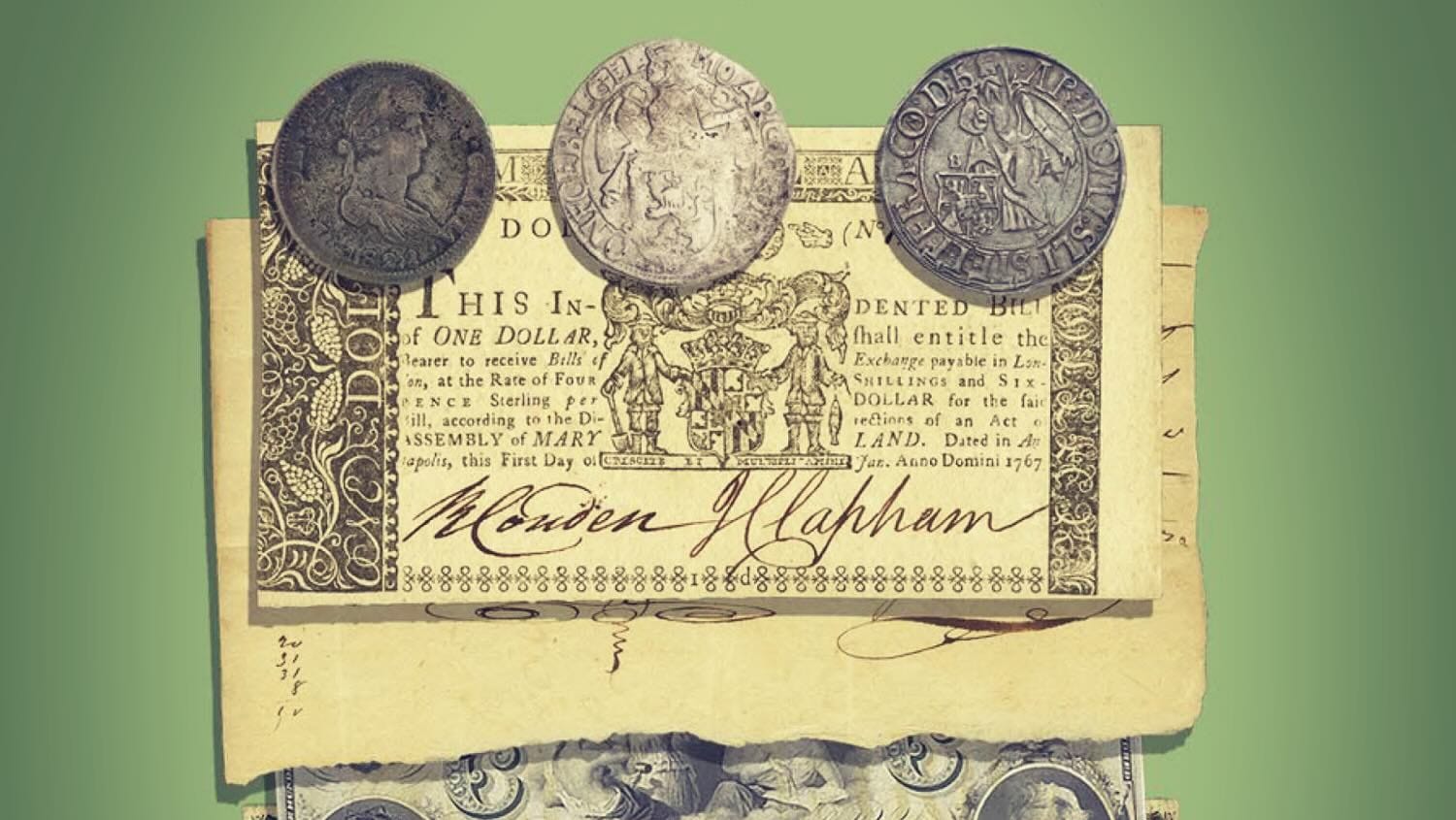
“Under President Trump’s leadership,” U.S. Treasury Secretary Scott Bessent said in March, “we are on a path toward unprecedented economic growth, lasting dollar dominance, and fiscal strength and stability.” The “unprecedented growth” hasn’t shown up. The dominance has: The dollar is still the world’s most important currency.
This gives the United States options—not least in funding government expenses—that leaders of lesser nations haven’t got. France’s finance minister in the 1960s, Valéry Giscard d’Estaing, called it America’s privilège exorbitant. The historian Nicholas Mulder says here in The Signal this week that it’s a burden on American industry, too. At a 1971 meeting in Rome, Richard Nixon’s treasury secretary, John Connally, told the gathered finance ministers that the dollar was “our currency, but your problem.” And in 2019, Mark Carney—then the outgoing governor of the Bank of England, now Canada’s prime minister—said Connally’s dictum had broadened into “any of our problems is your problem.”
All three take one thing for granted: The Americans run the dollar.
Is that right?
Music
‘Final Feliz’
Let’s stop in Colombia for a soft, broken-hearted ballad from Karol G—maybe the biggest Latin music star on the planet today …