‘When I say it ends’
Recently
- What does Google see in AI that investors seem not to? Daron Acemoglu on tech firms’ persistence in betting that computers will be able to think like people.
Today
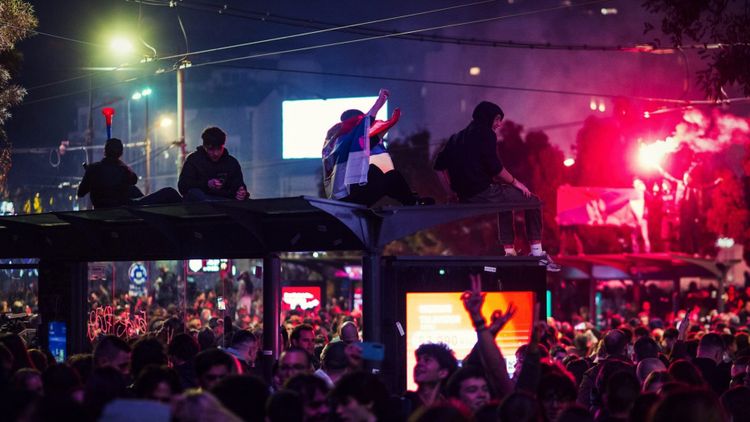
- Why does everyone hate “the elites”? Hugo Drochon on how so many voters in the West came to feel shut out of power. (Open-access, in partnership with the Marlborough House Foundation.)
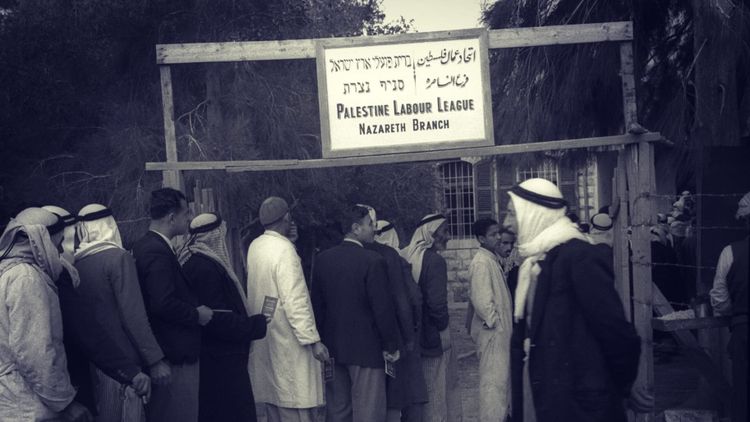
- Do Putin’s cronies believe in anything? Ilya Budraitskis and Ilya Matveev’s new book, Russia’s New Imperialism: Capital and Ideology.
- + New music from Djrum …
First
- The American vice president says Iran cost his party the election. The president agrees—and fights on …
‘Worth it’
On Wednesday morning, after the Republicans lost both houses of Congress, U.S. Vice President J.D. Vance posted on X, “The reason we lost is the war. The president himself said so last night.” He meant the war with Iran, which U.S. President Donald Trump launched in February and said would take four or five weeks. Twenty-three American service members have died in it since. Vance dared the war’s defenders to argue “that losing the Senate for the next 6 years was worth it.” He wrote that Trump’s 2024 voters who switched to the Democrats gave a pollster four reasons, and ending the war came first. Now what?
Who blinks first
Trump says the war ends “when I say it ends.” In June, Congress passed a resolution calling for an end to the fighting; it couldn’t bind him, and he ignored it. Chuck Schumer, who’ll lead the Senate’s new Democratic majority in January, says, “We are going to end the war,” and means to do it with the budget. Markus Wagner, a law professor at Australia’s University of Wollongong, calls the money the Democrats’ strongest card and a risky one, since a veto can leave military pay hanging. “Who blinks first?” he asks. In 2007, when Democrats tied Iraq funding to a withdrawal date, President George W. Bush vetoed it, and they backed down.

On their minds
Here in The Signal, Daniel Bessner says Americans “don’t tend to vote with foreign policy on their minds,” so members of Congress see little reason to spend capital on it. Since World War II, he says, the people running American foreign policy have “intentionally insulated” it from the public, and Congress has handed its war powers to the White House. This time, the war was on voters’ minds: In the Associated Press’s election-day survey, about a third call the war a crucial factor in their vote, and about 60 percent say going to war with Iran was the wrong decision. … See “Entanglements.”
Worse than none
On April 10, 1975, U.S. President Gerald Ford went before both houses of Congress and asked for US$722 million in emergency military aid for South Vietnam, “without delay,” as North Vietnamese divisions closed on Saigon. “Half-hearted action would be worse than none,” he said. Two first-term Democrats, Toby Moffett of Connecticut and George Miller of California, walked out of the speech. They’d won their seats the November before, when the Democrats picked up 49 in the House after Watergate. Congress never approved the military aid. On April 23, at Tulane University in New Orleans, Ford said the war was “finished as far as America is concerned.”
Meanwhile
A Hong Kong court gives the democracy activist Joshua Wong 10 more years for colluding with foreign forces; he’d been due out in January. … In two nights, Russia fires nearly 600 drones at Ukraine’s power grid, and Ukrainian nuclear plants cut output. … Paraguay’s president, Santiago Peña, resigns over the collapse of a bank tied to him that held state pension money, and lawmakers move to impeach him anyway. … Google tells schools that refuse its AI tools that their students will lose Google Search too. … & Hydrogen chloride over the giant Martian volcano Alba Mons means magma may still be moving under Mars.
Thoughts? concierge@thesgnl.com.

Wary of fast fashion?
Shop Congo Clothing Company and
make a difference—in style.
Feature
The revolt against the elites
Why does everyone hate them? Hugo Drochon on how so many voters in the West came to feel shut out of power.
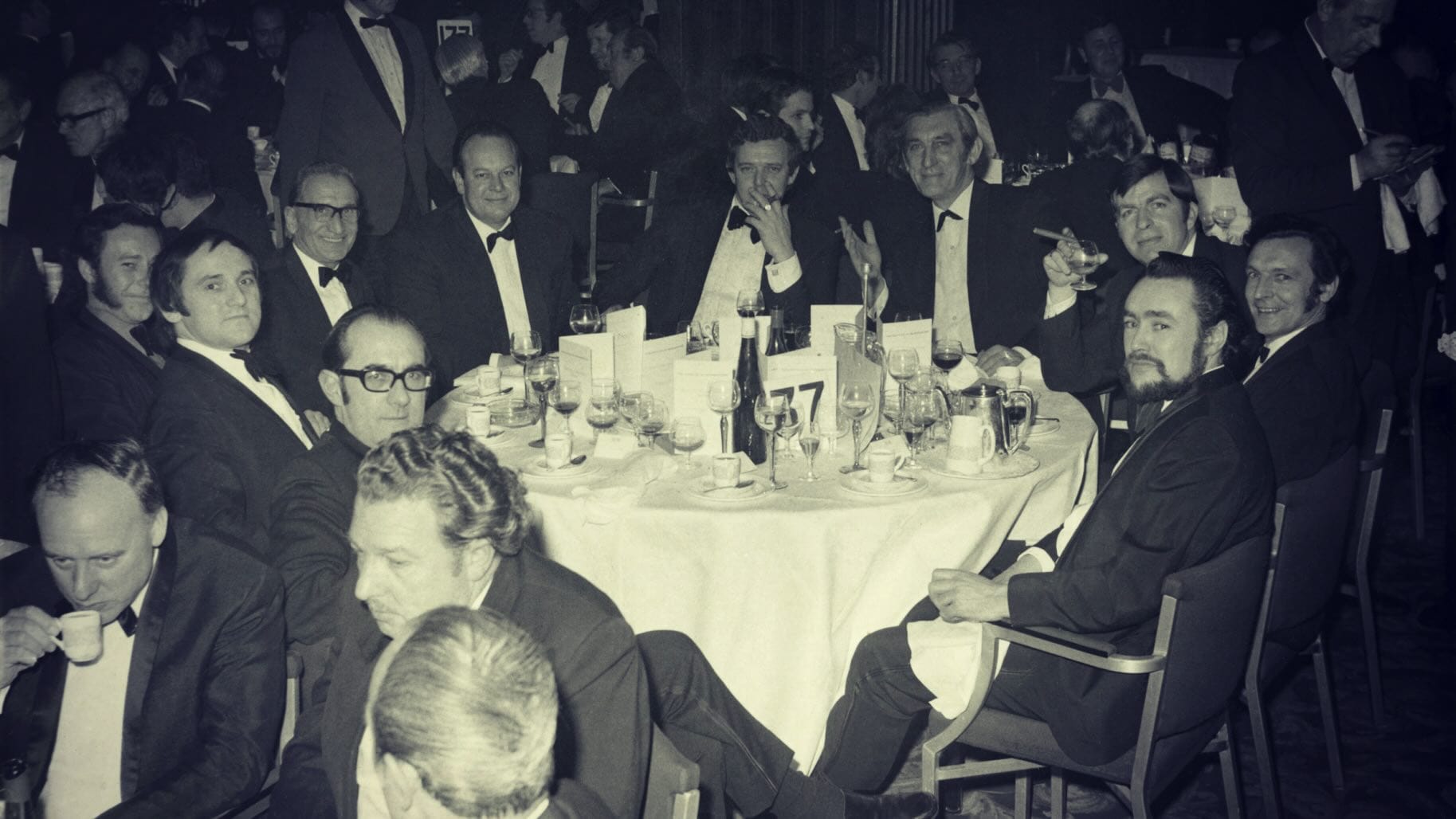
“Elite” has become “one of the nastiest epithets in American politics,” even “the defining political insult of our times”—now marking you as “evil, if not criminal.” With his re-election campaign floundering in 2024, U.S. President Joe Biden himself called in to the cable-news channel MSNBC and attacked “the elites” who wanted him to make way for another candidate.
Politicians use it everywhere. The former U.K. Prime Minister Theresa May accused people in positions of power of behaving “as though they have more in common with international elites than with the people down the road.” U.S. President Donald Trump has made similar noises, albeit while mocking his “elite” opponents for not being elite enough (“I have a much better apartment than they do. I’m smarter than they are. I’m richer than they are.”). And the leader of the British party Reform UK, Nigel Farage, says he’s heading a “revolt against the establishment.” On the face of it, it’s a weird pattern.
What accounts for it?
… courtesy of the Marlborough House Foundation.
From the despatch
‘The discovery of money’
Do Putin’s cronies believe in anything? Ilya Budraitskis and Ilya Matveev’s new book, Russia’s New Imperialism: Capital and Ideology.
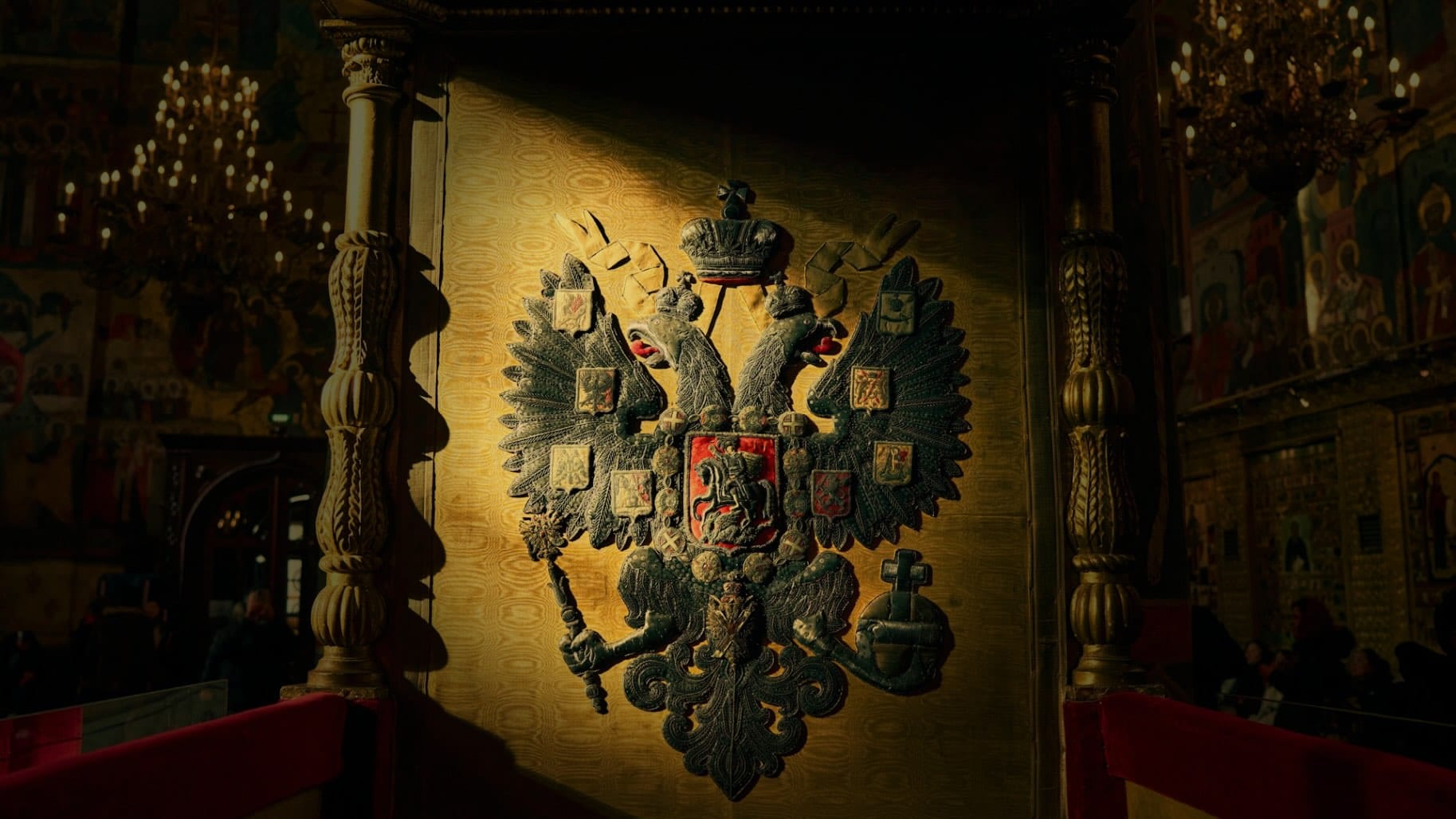
In July 2021, seven months before Russia’s full-scale invasion of Ukraine, President Vladimir Putin published a 5,000-word essay, “On the Historical Unity of Russians and Ukrainians.” It was an ideological tract of sorts, which claimed that Russians and Ukrainians are “one people” and that “modern Ukraine is entirely the product of the Soviet era.”
The idea that the Russian elite is driven by ideology has considerable purchase among Western leaders. French President Emmanuel Macron has blamed the war on Putin’s “spirit of revenge,” and Joe Biden, then the U.S. president, called the Russian leader a dictator “bent on rebuilding an empire.” As an article from the Atlantic Council, a Washington think tank, put it in 2022, the insistence that Ukrainians and Russians are “part of the same whole” has long been “a central theme of Russian imperial propaganda” and “provides the ideological basis for the current war.”
The assumption is that Russia’s rulers mean every word.
Do they?
Strengthen The Signal.
Become a member, get your bearings, navigate your world.
Music
‘To Do What to Do’
Felix Manuel, the London producer who records as Djrum, trained as a jazz pianist …