The tank on the dock
Recently: Why does nothing in the United Kingdom seem to work? A.G. Hopkins on the decades of self-inflicted wounds that have hollowed out the British state.
Today: In Nova Scotia, a distiller loses his New York buyer and a third of his sales. … The last time the Americans did this, Canada took its wheat and apples to Britain instead. … &c.
For members: Why did Beijing break its promise to Hong Kong so early? Minxin Pei on how it became just another Chinese city. … & Is China as strong as it looks? Standpoints from Andy Rothman, Dan Wang, and Kevin Slaten.
+ New music from Beck …
Developments / U.S. & North America
Even the NA beer
At one minute past midnight on Tuesday, American customs officers stopped admitting Canadian alcohol, along with whey, molasses, non-alcoholic beer, and two models of Can-Am motorcycle. The order covers only what comes in bottles, and lets bulk whisky through for bottling in the United States. At the Glenora Distillery in Cape Breton, Nova Scotia, Lauchie MacLean’s buyer walked away in August, just after Washington put a 50-percent tariff on the same goods. “That order is in the tank sitting on our dock,” MacLean says, “and won’t be going to the United States any time soon.” He sold about a third of his whisky in New York, California, and Illinois. At the Wolfhead Distillery in Amherstburg, Ontario, across from Detroit, Danielle Moldovan says Americans still come in every day.
Help wanted
Washington’s list is worth about US$967 million a year, 87 percent of it drink, against the roughly US$880 billion Americans and Canadians trade. The 50-percent tariff was already “acting as a de facto ban,” the trade lawyer Patrick Childress says. So what’s it really for? The Tariff Act of 1930 lets an American president raise a duty by half, and no further. Washington hit that limit in August, and after that the law lets the president shut the goods out altogether. Canada taxed American goods on September 8, and President Donald Trump signed the exclusion orders that day, the first president in 96 years to use the power. American Courts have never ruled on it. Sara Albrecht, who runs the American legal group Liberty Justice Center, wants to sue over the orders but so far, can’t seem to find a client: “I haven’t had a lot of response from plaintiffs.”

‘Nobody in their right mind’
Here in The Signal, Martin Wolf looks at why the Americans keep coming back to tariffs when other countries don’t. They built their industries behind tariff walls, and they sell abroad less than any other big economy does. The country has enough in its own ground to “imagine itself as being self-sufficient,” Wolf says. America “has historically seen free trade as a favor it grants others, not as a necessity that would benefit itself.” Nobody in their right mind, he says, builds a factory on today’s tariffs “unless they’re reasonably confident the tariffs will last at least 10 years.” If the president backed down, everyone else would assume he “might just try it again later.” … See “‘An unplannable environment’.”
Blast a way in
On September 8, 1930, Canada's newly elected members of parliament raised the duties on imported manufactured goods. Their new prime minister, R.B. Bennett, had won July’s election telling voters what tariffs were for: “I will use them to blast a way into markets that have been closed.” The Canadians had already hit back in May, taxing 16 American products a month before U.S. President Herbert Hoover signed the act. In July 1932, Bennett chaired the Imperial Economic Conference in the same building. Britain put Canadian wheat and apples ahead of every other country’s, and Canada favored British metal goods and textiles it didn’t make itself. Within a few years, Canadian exports to Britain were up 60 percent, and British exports to Canada, 5 percent.
Meanwhile
CNN, Politico, and MS NOW ask a federal judge to keep the White House from shutting their reporters out. … The U.S. State Department revokes the visas of 27 officials in Bolivia, Colombia, Ecuador, and Peru, starting with Bolivia’s attorney general. … American forces leave their last bases in Iraq, a day before the deadline the two governments set in 2024. … Doctors in the Democratic Republic of Congo count 8,000 cases and 3,901 dead in the worst Ebola outbreak on record. … Serbia’s president, Aleksandar Vučić, resigns to run for prime minister and calls an election for October 25. … & In Norway’s Jotunheimen mountains, archaeologists pull 48 prehistoric arrows out of the melting ice, the oldest as much as 6,000 years old.
Thoughts? concierge@thesgnl.com.

A lot of people put off life insurance because they assume it’s expensive. The truth is, most of us overestimate the cost. Through Ethos, you can get coverage for around $54 a month*—and you can get approved in as little as 5 minutes.
* Sample rate: 10-year term $1M life policy for a 40-year-old healthy, non-smoking male.
Features
The last edition
Why did Beijing break its promise to Hong Kong so early? Minxin Pei on how it became just another Chinese city.
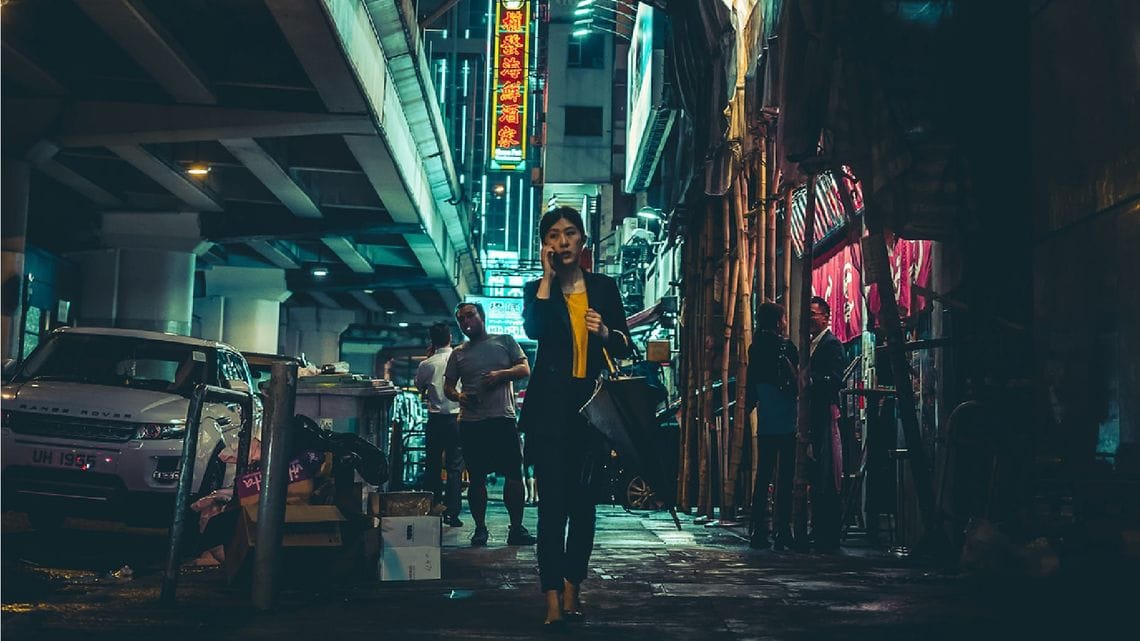
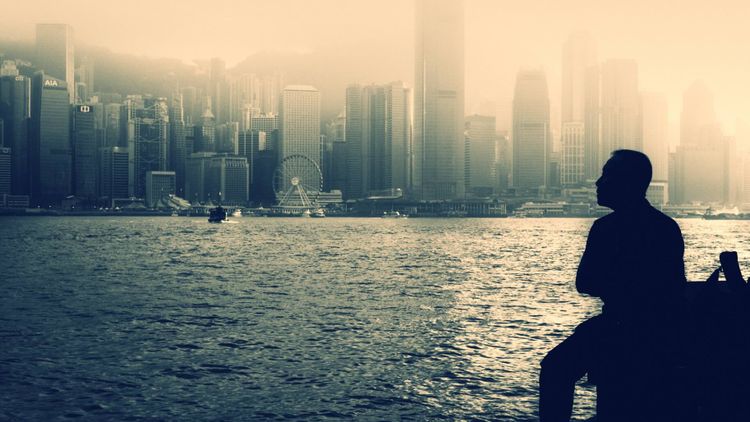
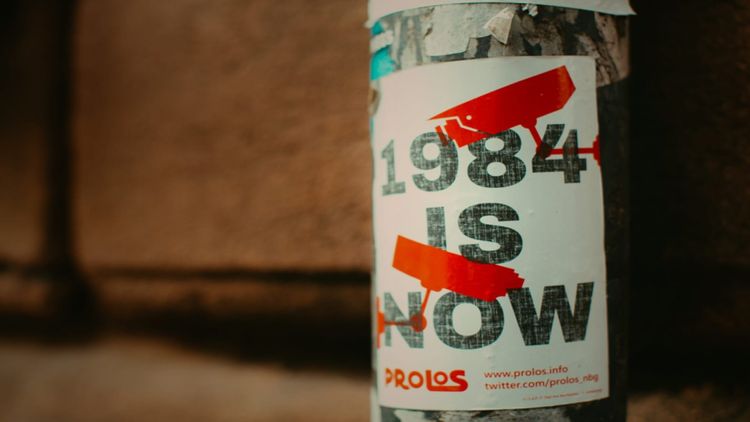
In 1984, China promised Britain in a treaty that Hong Kong would keep its way of life for half a century after the handover in 1997: its own courts, its free press, its right to protest. In 2020, 23 years in, Beijing imposed a National Security Law on the city. The next summer, Hong Kong’s national-security police froze the assets of Apple Daily, the city’s last pro-democracy newspaper, and arrested its top editors and executives. Its founder, Jimmy Lai, was already in jail. A week later, the paper went to press for the last time.
Why?
Here in The Signal, Minxin Pei says the trouble started when Hong Kongers asked Beijing to keep its promise and honor the treaty. In 2014, students occupied the busiest parts of the city. In 2019, Hong Kongers staged the biggest demonstrations in the city’s history. “The Chinese government simply could not tolerate that kind of open defiance,” Pei says. He puts the decision at the very top: “Xi Jinping is a risk-taker,” Pei says. “He makes very risky decisions, regardless of consequence. … That pledge didn’t even survive its halfway mark,” Pei says. “This tells the world that the credibility of the Chinese government is greatly damaged.” It also shows the world what the Communist Party is becoming: a proper neo-Stalinist regime—only with a capitalist economy and advanced surveillance technology …
From the despatch
Even the insiders
Is China as strong as it looks? Standpoints from Andy Rothman, Dan Wang, and Kevin Slaten.
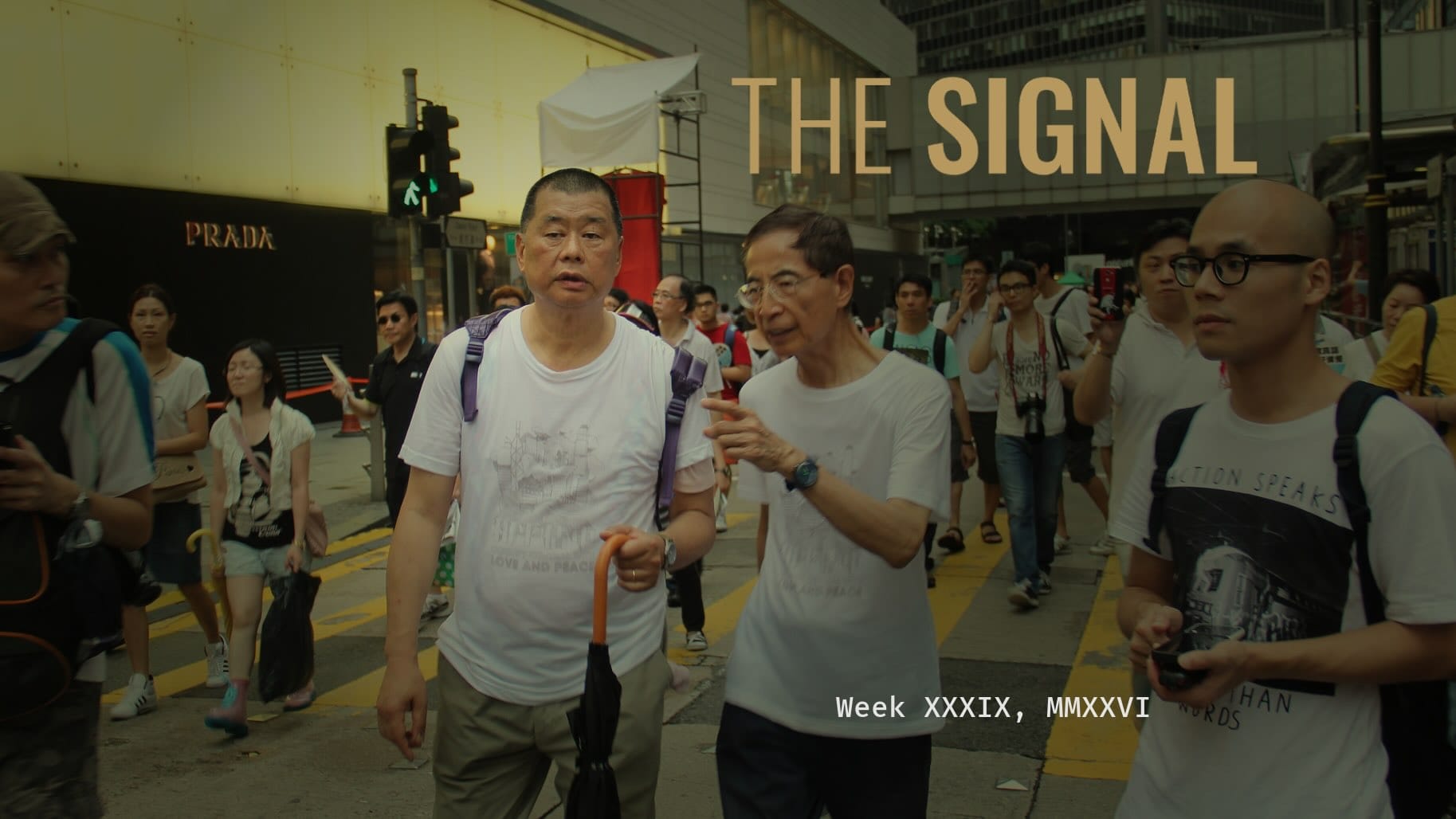
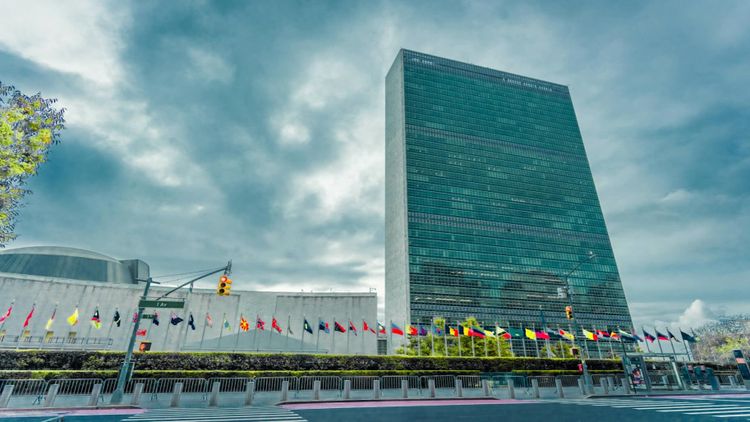
On Wednesday, in The New York Times building in Midtown Manhattan, Canada’s Prime Minister Mark Carney told the paper he’d spent the past year planning for the “extreme tail risk” that U.S. President Donald Trump might order military action against Canada. “That’s not a base case,” Carney said, “but it would be irresponsible not to.” The two countries have traded tariffs since talks broke down in late August. Of Trump’s use of Canada’s dependence on American goods, Carney said: “There’s certain things, once you’ve seen them, you can’t unsee them.” Other leaders, the paper reports, look to him “as a model for dealing with an erratic, unreliable ally.” Carney is deepening Canada’s economic ties with China instead, though not its defense ties—specifying that any broad turn away from the U.S. dollar will have to be limited until China carries out a “proper liberalization” of its currency and financial system. In January, after meeting China’s President Xi Jinping, Carney called the relationship with Beijing “more predictable.”
Is it?
Strengthen The Signal.
Become a member, get your bearings, navigate your world.
Music
‘It Ends Right Here’
Beck has gone quiet again on Ride Lonesome, his first new album in seven years …