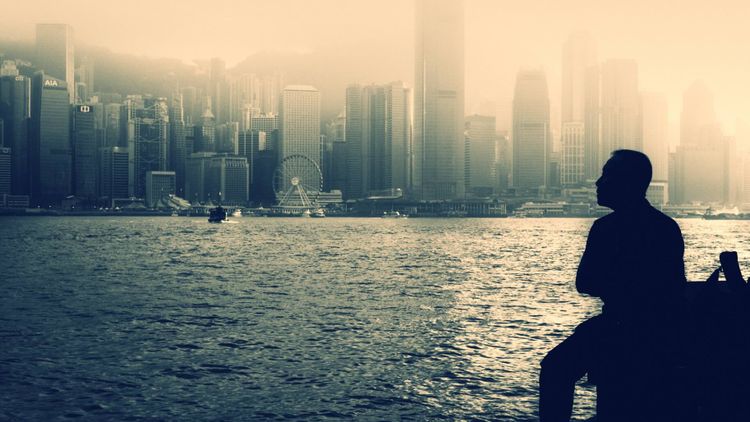
The wizard of Tehran
Recently: Why is Turkey’s government moving so hard to kill off its opposition? Ezgi Başaran on the weakness behind a new show of strength. … & Archaeologists have found Minanbé, a ruin lost in the jungle for more than 1,000 years. The question now is who gets to it first.
Today: In Iran, millions marched to bury an ayatollah who’s been dead since the winter, with his successor nowhere on the scene. … In Turkey, NATO’s European members pledge to spend more on their own defense—while America pulls its troops from the continent. … &c.
For members: How much do America’s biggest media platforms really change people’s minds? Michael Socolow on the challenges and limits of billionaire influence. … & In the Pacific, the super typhoon Bavi bears toward Guam.
+ New music from Ela Minus x Nick León …
In his absence
A train of coffins moved through the Iranian capital on Monday, one of them holding Ali Khamenei, who led the Islamic Republic for four decades until a U.S.–Israeli strike killed him in late February. Millions filled the streets, chanting for revenge; the state put the count at nearly 20 million. Three of Khamenei’s sons walked in the procession. The fourth, Mojtaba Khamenei, did not. The clerics named him supreme leader in March, and he hasn’t been seen in public since the same strike wounded and, by the American account, seriously disfigured him. Islamic tradition is to bury the dead within a day; the Islamic Republic has left its late supreme leader unburied for four months.
What’s happening here?
There’s a fragile ceasefire, so it’s safe to gather millions and show that killing Khamenei didn’t break the state. That’s why now. But it’s notable who led the prayers over him: three clerics, aged 97, 99, and 101—the last grand ayatollahs of the revolution, vastly senior to Mojtaba, who, despite his new rank, has none of their clerical authority. The most plausible reason why the Islamic Revolutionary Guard Corps—the security forces now effectively running the country—installed Mojtaba is precisely because he is weak: a junior cleric who owes them everything and can’t threaten them with anything.
It seems to be an illustration of how power and authority have come apart in the Islamic Republic. The IRGC rules; a few men in their late nineties have the kind of standing that determines legitimacy in the state; and the “supreme leader,” apparently, does and has nothing. The Guard may wish their country’s senior clerics good and long health—but have to be wondering by the day about the stability of the status quo they have going on at the moment.

Meanwhile
- Open again. Emmanuel Macron became the first Western leader to visit Syria since rebels toppled Bashar al-Assad in 2024, there to sign deals and lead Europe back into a country wrecked by 14 years of war. As he arrived, two bombs—one in a parked car, one in a bin—went off near his hotel, wounding 18. Macron had already left to meet Syria’s new president, Ahmed al-Sharaa. The blasts, still unclaimed, struck the heart of the capital he governs.
- Out the back door. In Ankara, NATO’s 32 leaders met U.S. President Donald Trump, who came to collect on last year’s pledge to lift defense spending to 5 percent of GDP by 2035. The allies arrived ready to show they’re paying up, hoping it keeps the Americans tied to Europe’s defense. But Washington is heading the other way: Its envoy says the U.S. will now do “less” and is pulling 5,000 troops out of Germany, with more under review.
- Known at last. Iran fired missiles at two ships in the Strait of Hormuz, setting a Qatari gas tanker ablaze. … Ukraine’s special forces struck Russia’s biggest refinery, at Omsk in Siberia—nearly 3,000 kilometers off, the war’s deepest strike. … Houthi fighters killed 16 government troops near the Red Sea port of Hodeidah, the fiercest fighting in Yemen in years. … Super Typhoon Bavi knocked out power across Guam and the Northern Marianas, the U.S. Pacific territories (see “Two oceans, one switch,” below). … Researchers used DNA to name a soldier killed in the American Revolution 245 years ago at the Battle of Camden.
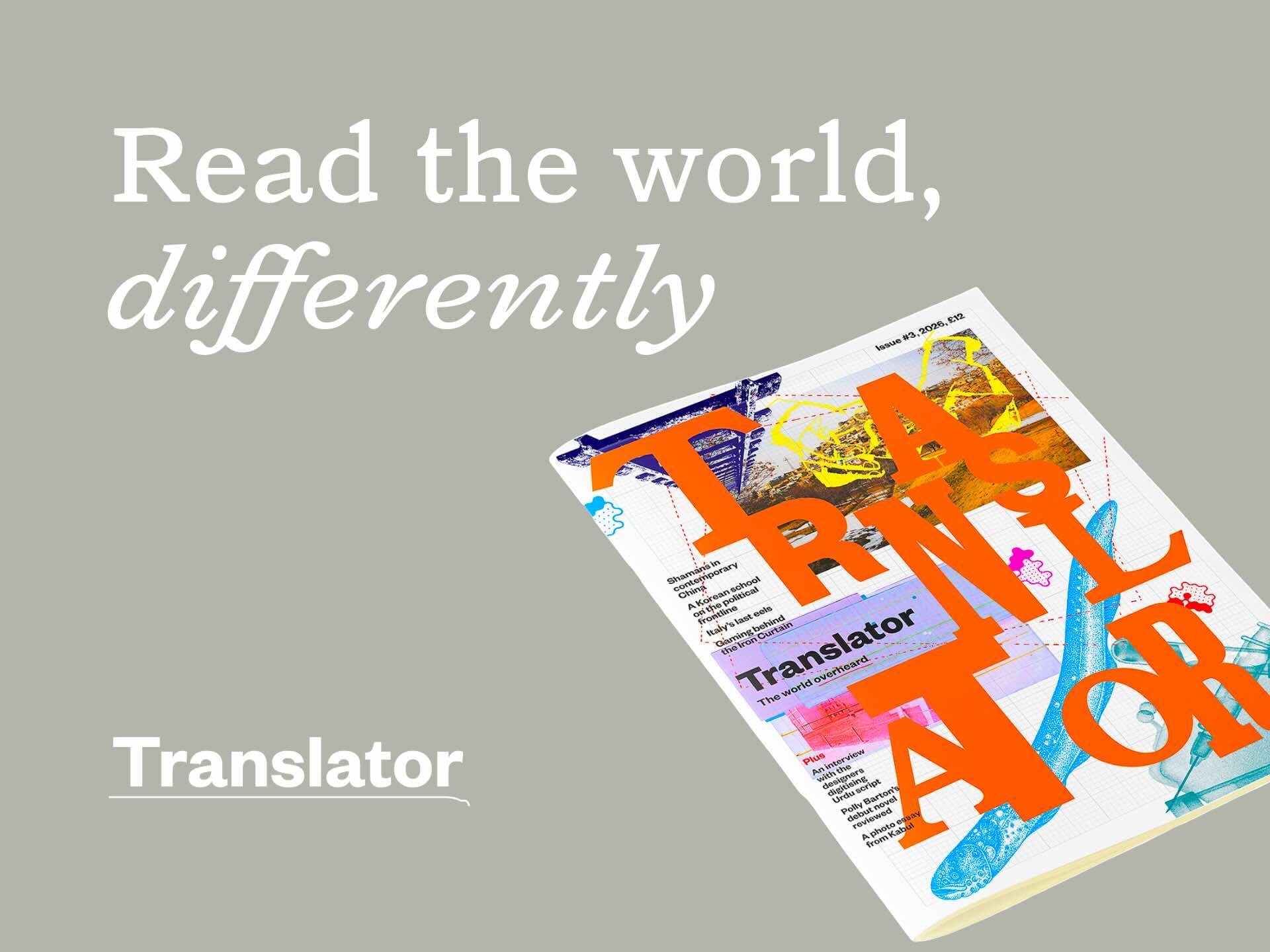
Discover Translator, a new independent magazine of translated journalism and reporting for open-minded readers.
Issue #3 brings you stories from Korea, South Africa, Greece, China, Italy and beyond—all translated into English.
From the files
The reach illusion
How much do America’s biggest media platforms really change people’s minds? Michael Socolow on the challenges and limits of billionaire influence.
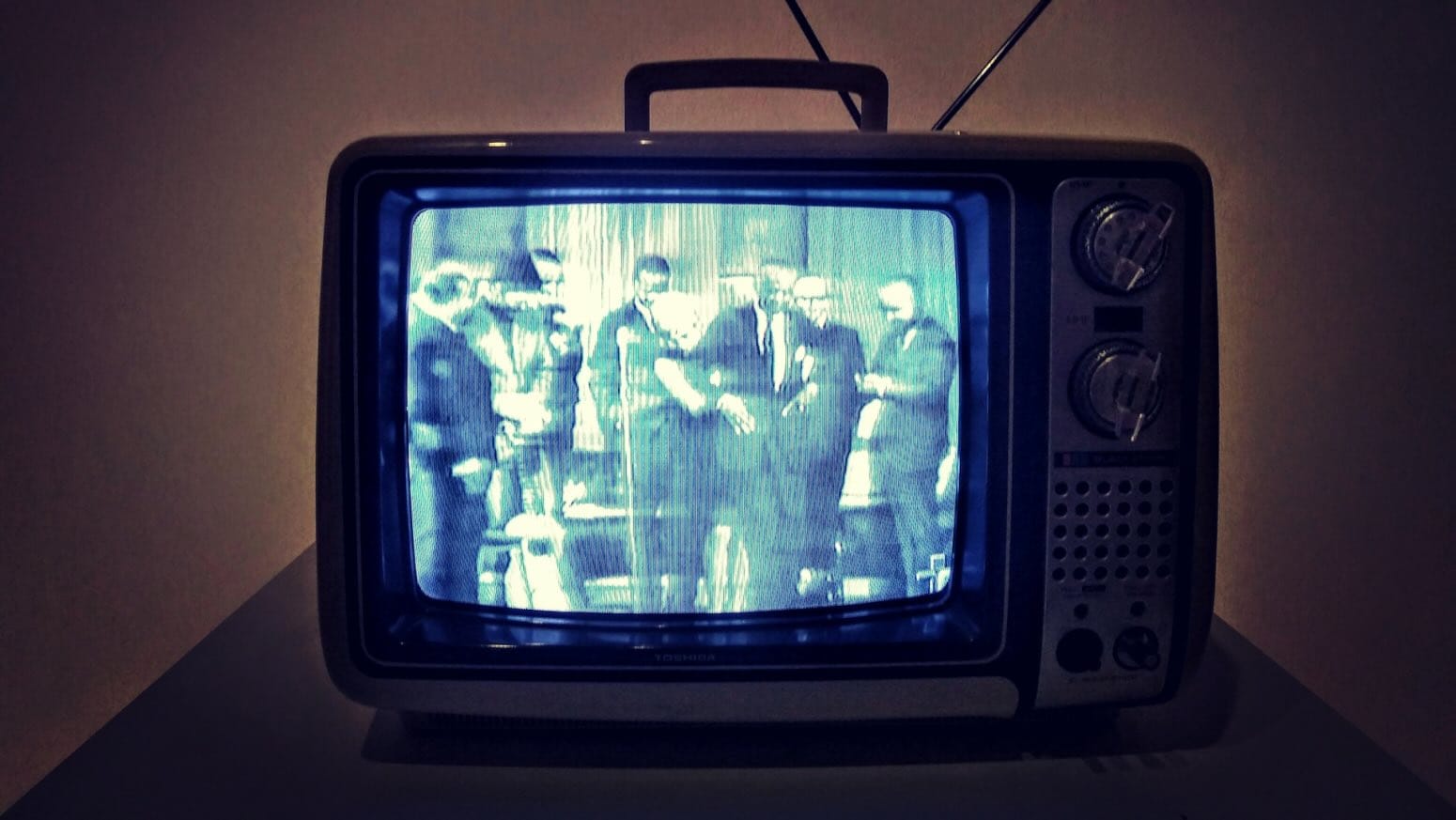
David Ellison is about to control CNN, HBO, and the Warner Bros. studio. His company, Paramount, spent months chasing Warner Bros. Discovery—competing with Netflix, who walked away in February. Ellison already owns CBS and Comedy Central and just bought Bari Weiss’s Free Press, and his father’s investment group holds part of TikTok’s U.S. business. And just one approval now stands in the way: EU regulators, whose sign-off the deal needs to clear its European operations, will rule on the roughly US$110 billion deal on July 22. If it clears, Ellison’s interests will reach into hundreds of millions of American homes.
So what will all that reach actually get him?
Michael Socolow looks at the question here in The Signal—and says it’s less than you might think. The brands Ellison is buying are extremely valuable on the market, but their audiences have thinned—the CBS evening news that once drew 20 million a night now draws 3.6 million. Neither have reach and persuasion ever been the same thing. Mike’s case in point is Tucker Carlson, who once had the biggest show on cable and spent months after the 2020 election pressing three claims: that January 6 wasn’t a riot; that the Covid vaccine was a danger to Americans; that the U.S. should stay out of the Russia-Ukraine war, though, if anything, favor Moscow over Kyiv—yet moved opinion on none of them. We may, Mike says, each assume the media sways everyone but ourselves, when mostly, if anything, it just hardens what people already believe. And no one overrates the media more than politicians—terrified of a press that barely moves the people they answer to.
From December 2025, Socolow on what a media fortune can and can’t do to the people it reaches …
Weather report
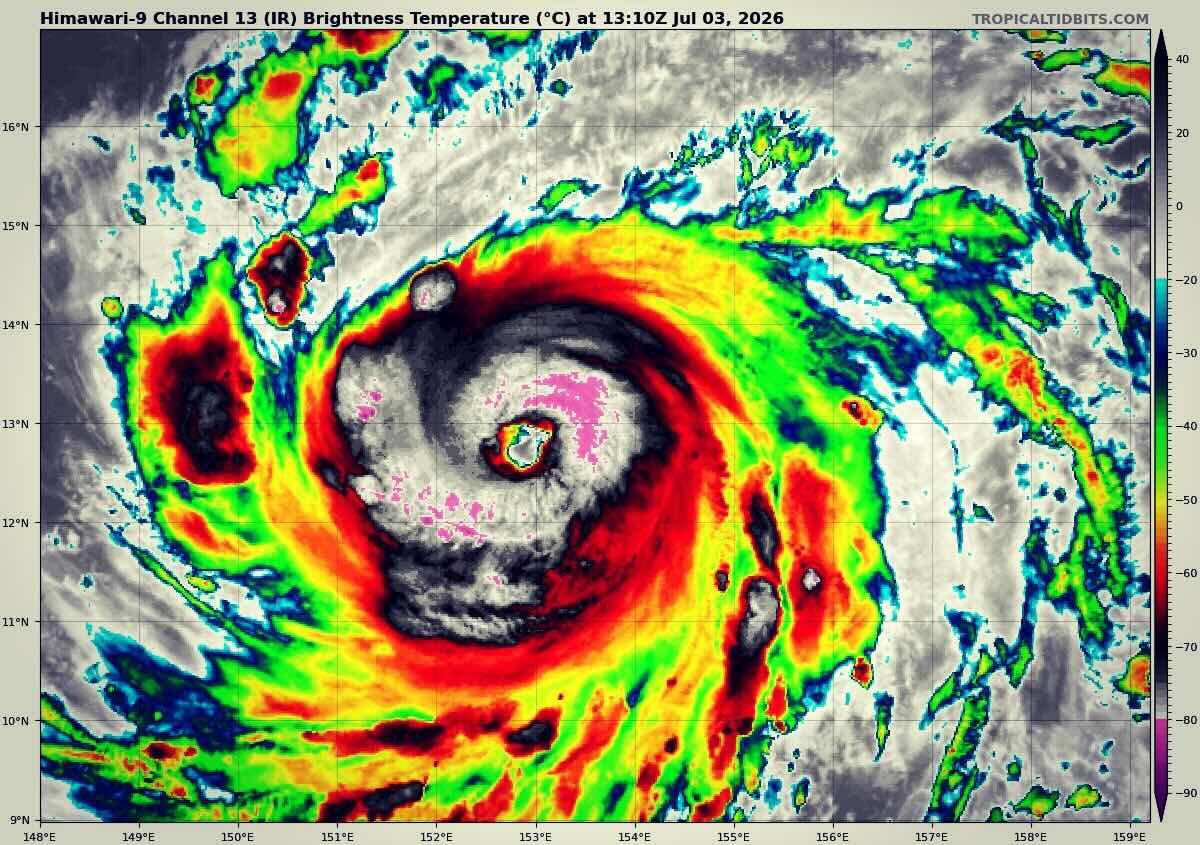
Two oceans, one switch
13.4443° N, 144.7937° E
One effect of the developing El Niño—the periodic warming of the tropical Pacific that reshuffles weather worldwide—is the quiet in the Atlantic Ocean, thanks to the combination of wind shear, Saharan dust blowing off West Africa, and cool Atlantic waters. The same pattern that calms the Atlantic stirs the Pacific, where a typhoon, Bavi, is building.
Your loyal guide to a changing world.
Membership with The Signal means exclusive access to premium benefits:
* In-depth feature interviews with our network of contributors
* The despatch, our weekly current-affairs and cultural-intelligence briefing
* Early access to new products, including print extras
It also means vital support for a new, independent venture in current affairs.
New music
‘Espiral’
Here we have a pairing of the Colombian synthpop royal Ela Minus with the Miami DJ and producer Nick León—out with a new EP, Qué les Pasó a Mis Amigos? (In English, What happened to my friends?) A note of despair that vanishes in the music.