Saturday, in Budapest
Recently: How have governments become some of the biggest investors in the global economy? Adam Dixon on a new era of state capitalism.
Today: The Middle Eastern geopolitics of the biggest European club match of the year. … A border in Africa sealed against a rare Ebola strain with no vaccine. … &c.
For members: Why did the Gulf states pour billions into global sports? Sarath K. Ganji on the security logic behind the spending—and the war now testing it. … & What is an employee, anyway? Annie McClanahan’s new book, Beneath the Wage: Tips, Tasks, and Gigs in the Age of Service Work.
+ New music from Tyondai Braxton …
Money ball
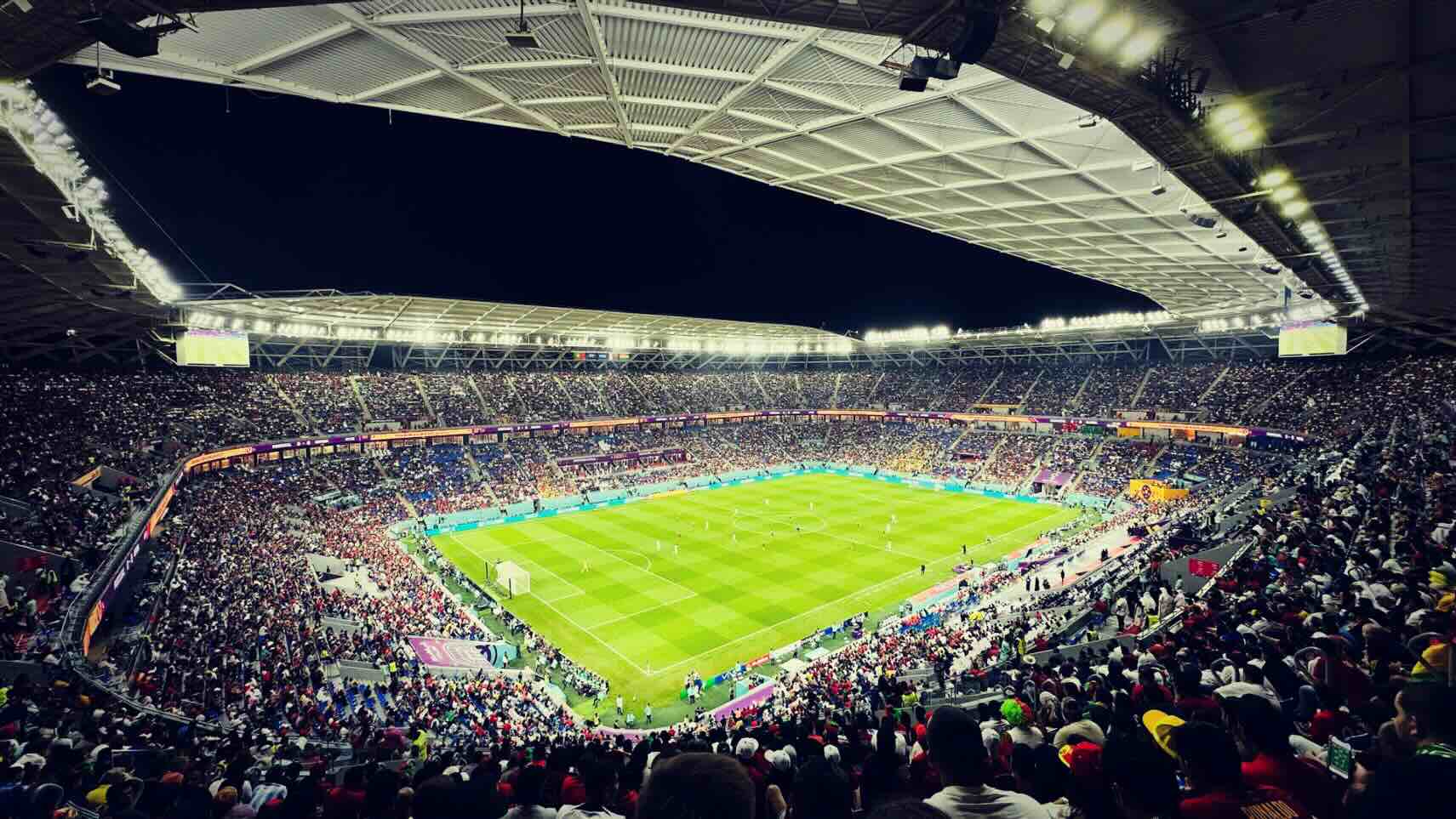
On Saturday, May 30, the world’s biggest club match—the Champions League final—will be contested by one club, Paris Saint-Germain, that’s owned by Qatar, and another, Arsenal, who play at the Emirates Stadium and wear Emirates and Visit Rwanda branding on their shirts.
Meanwhile, Manchester City await a verdict on charges from the Premier League related to 115 possible breaches of its financial rules, as its legendary manager Pep Guardiola leaves the club after a decade, with his entire legacy in question.
In Newcastle, supporters who celebrated their club’s acquisition by Saudi Arabia’s Sovereign Wealth Fund only a few years ago are becoming anxious about the Saudis’ commitment amid war in the Middle East, given their retrenchment from LIV Golf and other global investments.
How did we get here?
Find out, in Shadow Play, a limited-run print magazine about football and dictators from The Signal—in partnership with the Human Rights Foundation.
(And follow us on Instagram to see what we’re up to on the ground, as we launch the magazine at events in London and Oslo.)

Meanwhile
- A new round on Hormuz. U.S. and Iranian negotiators reached a tentative deal on Thursday to extend their formal three-month ceasefire by 60 days and open talks on Tehran’s nuclear program—though U.S. President Donald Trump seems not yet to have approved the arrangement, and Iranian state media are suggesting Tehran doesn’t consider it finished, either. American Treasury Secretary Scott Bessent set three conditions: reopen the Strait of Hormuz, surrender the enriched uranium, “drop the bomb”—that is, give up the pursuit of a nuclear weapon, not use one. Both sides traded renewed strikes near the strait.
- Ebola at the border. Uganda ordered its long border with the Democratic Republic of Congo shut “with immediate effect” on Wednesday, as suspected cases of a rare Ebola strain—Bundibugyo, with no approved vaccine or treatment—neared 1,000 next door. The move defied the World Health Organization, which warns that closures push traffic onto unmonitored footpaths. WHO chief Tedros Adhanom Ghebreyesus is urging a ceasefire in eastern Congo so responders can reach the outbreak.
- The case of the missing gold. Israel has killed Mohammed Odeh, Hamas’s newly appointed military chief, on the eve of Eid al-Adha. … In Sweden, Volodymyr Zelensky presses Washington for more Patriot interceptors, offering drone expertise in return. … Australia charges Rayann El Houli, a Melbourne mother of four, with going to Syria to join the Islamic State. … The U.S. Treasury readies a US$250 note bearing Trump’s face, pending a law to permit it. … & A sacked CIA officer allegedly kept 303 gold bars worth $40 million at home, having faked his credentials for two decades.
Dictatorships don’t collapse by accident. We dismantle them together.
From the files
‘Football unites the world’
Why did the Gulf states pour billions into global sports? Sarath K. Ganji on the security logic behind the spending—and the war now testing it.
In December, Gianni Infantino, the president of FIFA—world football’s governing body—presented U.S. President Donald Trump with the inaugural “FIFA Peace Prize—Football Unites the World” at the 2026 World Cup draw—the ceremony setting the tournament’s matchups—in Washington, D.C. Trump called it “truly one of the great honors of my life.”
Three months later, he launched a war with Iran—and Iranian missiles are striking targets across the Persian Gulf, including Dubai, Doha, and Riyadh. The F1 races in Bahrain and Saudi Arabia have been canceled. LIV Golf players ended up stranded in Dubai. The “Finalissima” match between Spain and Argentina, scheduled for Lusail Stadium in Qatar, has been called off. Saudi Arabia’s sovereign-wealth fund is reconsidering its sports investments. After the Gulf states spent the past decade transforming themselves into global sports hubs, the Iran war has upended all of it.
Why did they invest billions in global sports in the first place?
As Qatar hosted the 2022 World Cup, Sarath K. Ganji explored the logic here in The Signal. Small, wealthy Gulf states had spent decades trying to make themselves matter to the U.S. and its Western allies—through defense partnerships, university campuses, and yes, sports. The goal was interdependence: Give Western populations and policy makers reasons to care about you, so they’d be reliable allies if you ever needed them. That World Cup was a big piece of this strategy for Qatar—as the 2034 World Cup is for Saudi Arabia.
Now the strategy is being tested—by the U.S.
From November 2022, Ganji on Qatar’s investment in football—and the whole security logic behind it …
Books
Precariat
What’s an employee? Annie McClanahan’s Beneath the Wage: Tips, Tasks, and Gigs in the Age of Service Work.
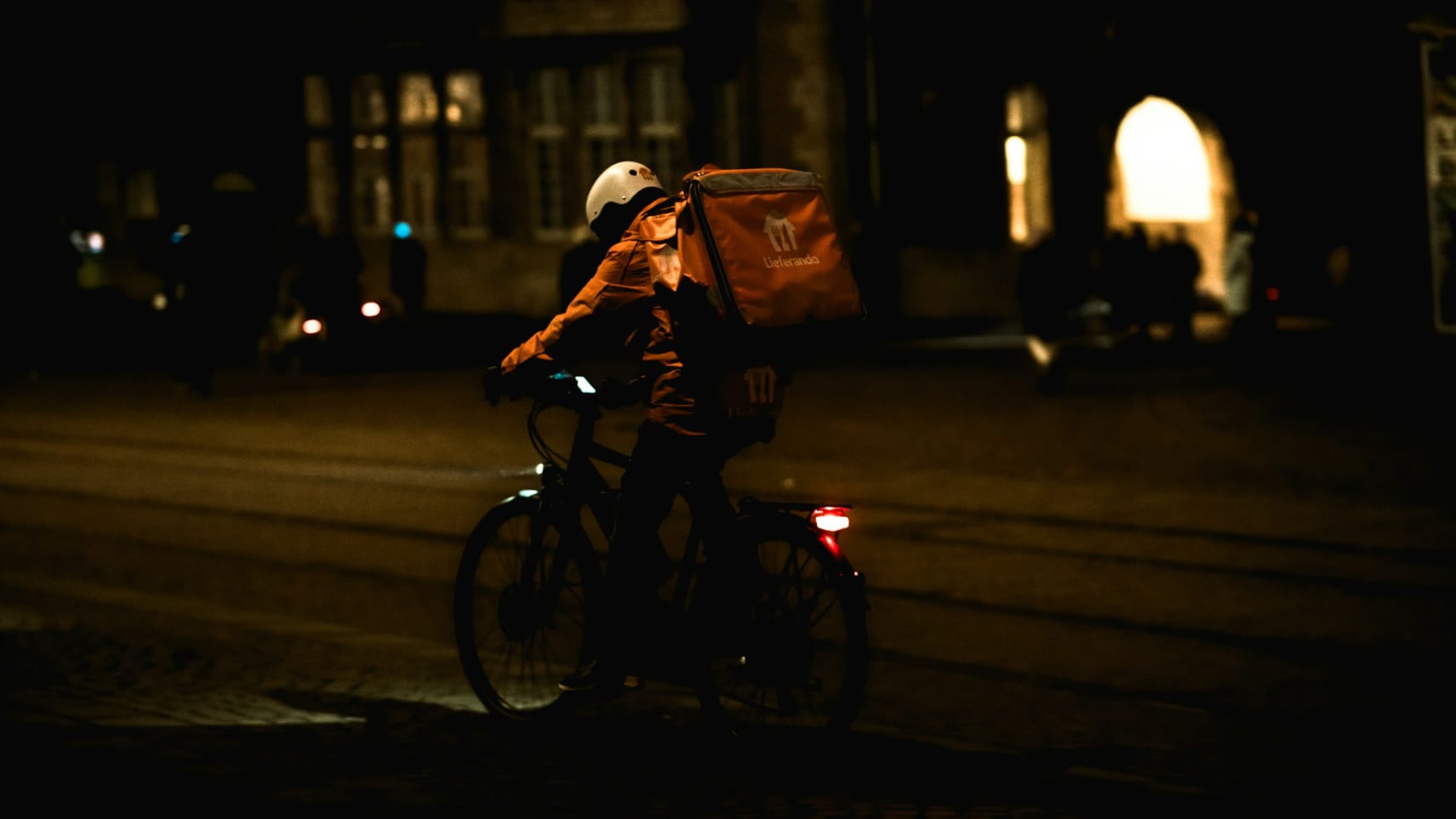
According to the U.S. Bureau of Labor Statistics, 80 percent of American workers work in the service sector. The trendline has gone up for a long time, especially in certain industries: the number of Americans employed in food services has doubled since 1990.
But as Annie McClanahan explores in Beneath the Wage, the sector as a whole is tremendously broad. It includes some of America’s best-paid employees—not least in financial services—but also some of its worst-paid workers. Many have stable, full-time employment; others work part-time on precarious contracts.
So what is service work, exactly?
Your loyal guide to a changing world.
Membership with The Signal means exclusive access to premium benefits:
* In-depth feature interviews with our network of contributors
* The despatch, our weekly current-affairs and cultural-intelligence briefing
* Early access to new products, including print extras
It also means vital support for a new, independent venture in current affairs.
New music
‘Piiano’
Tyondai Braxton is an avant-garde composer whose work often seems to score unmade films—dense, textured, implicitly visual. There’s a beautiful piano line at the center of this recording, but plenty of unease around it too. The build is more patient than the music Braxton made with Battles—the experimental rock band he fronted in the 2000s.